Tour: Haghpat, Aramyants Castle, Akhtala, and Zarni-Parni
- 1 day
- Classic
Contact for details
As part of this excursion, you will visit the 10th-century Haghpat Monastery, where the famous ashug Sayat-Nova lived and created in the late 18th century. The next stop on the route is the delightful Zarni-Parni cave-fortress complex. According to historical records, the renowned scholar and philosopher Hovhannes Imastaser worked here. Today, the area has been transformed into a historical museum with rare examples of ancient tools and household items. Next, awaits the Akhtala Fortress, located on a high plateau resembling a peninsula surrounded by a deep gorge on three sides. The program concludes with a visit to Aramyants Castle—one of the gems of Swiss architecture in Armenia.
Travel Plan
Start Point: Yerevan
Haghpat Monastery
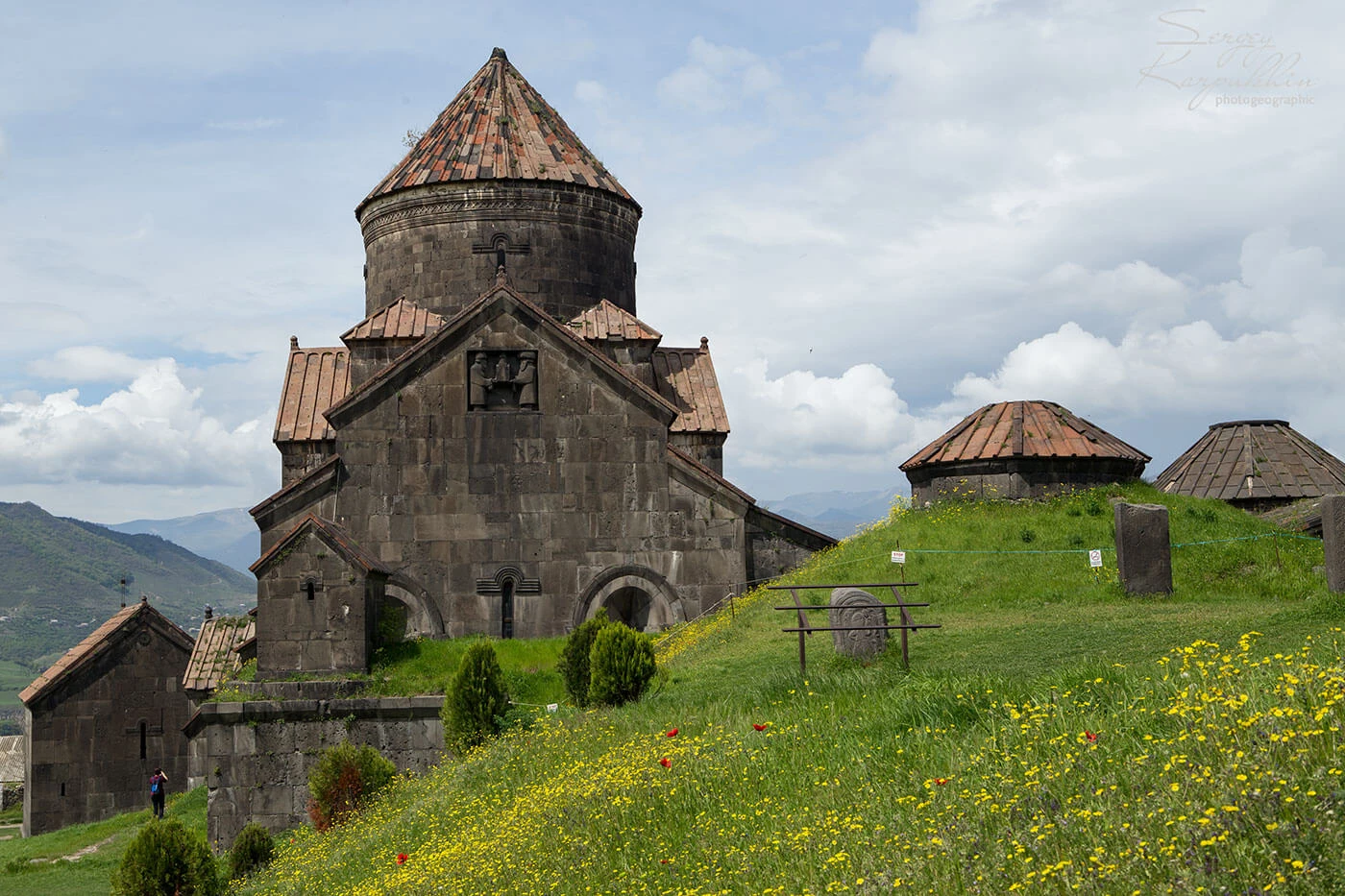
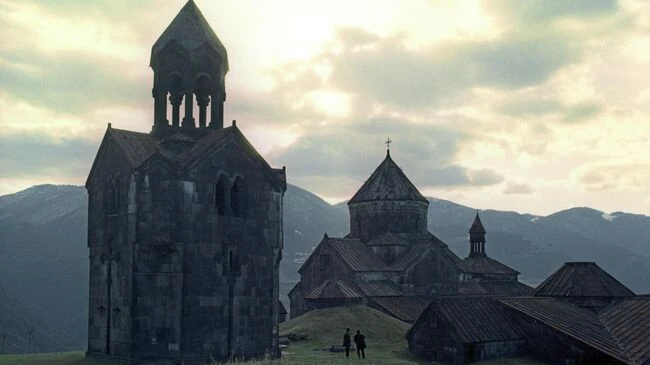
Haghpat is a medieval monastic complex from the 10th century, located in the village of the same name in the Lori region. In the 10th–13th centuries, it was one of Armenia’s largest spiritual and cultural centers. The monastery was famous for its school and library, where philosophy, rhetoric, music, and miniature art were taught. It is one of the most impressive complexes, preserving unique features of medieval Armenian architecture. The ensemble includes the churches of Surb Nshan (Holy Sign), Surb Grigor, and Surb Astvatsatsin (Holy Mother of God), as well as a gavit, library, bell tower, refectory, and numerous khachkars. The territory was surrounded by powerful fortress walls with defensive structures to protect against enemy raids.
Zarni-Parni Complex
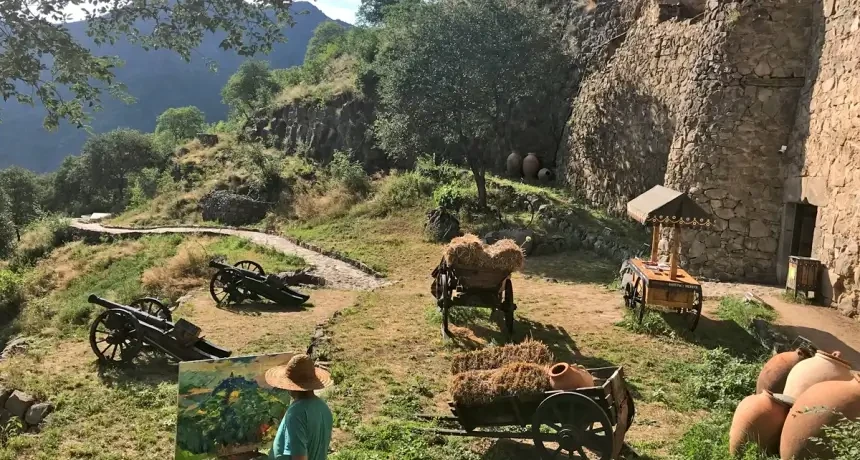
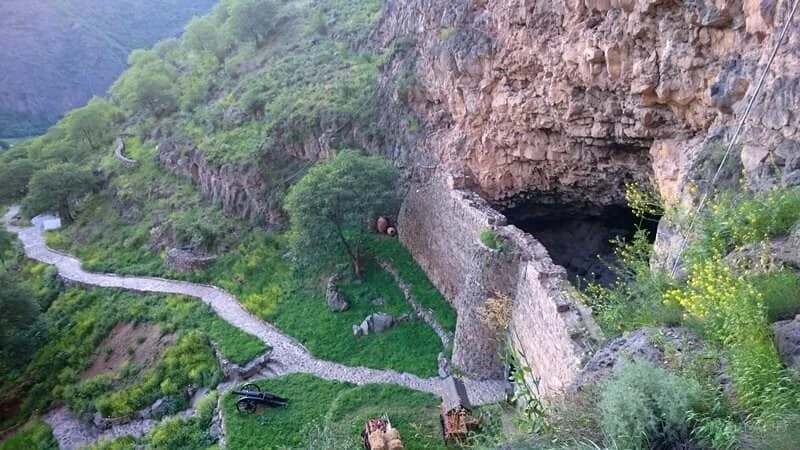
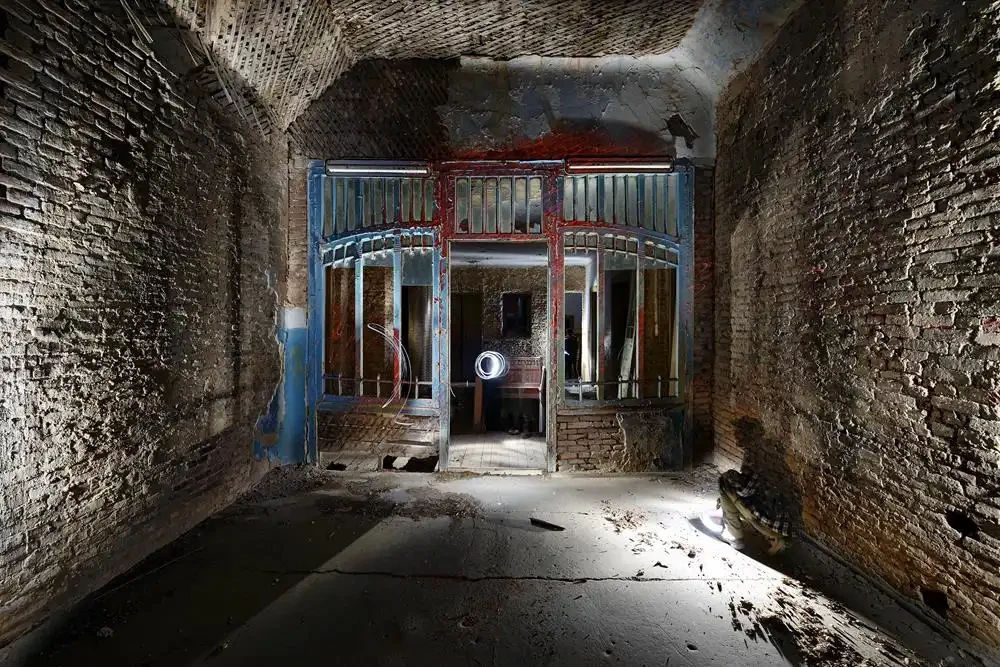
One of the most mysterious corners of the Lori region is the Zarni-Parni cave-fortress complex, located west of Haghpat Monastery. Legend says that Prince Zare hid the monastery’s treasures and manuscripts here to save them from enemies. Numerous finds, including an ancient wine press, testify that life bustled here and winemaking played an important role. Of particular note inside the fortress is the "Dripping Spring" (Katnaghbyur)—with crystal clear water believed to have healing properties. After recent restoration, a museum, cafe, wine bar, and souvenir shop have opened in the complex.
Akhtala Fortress
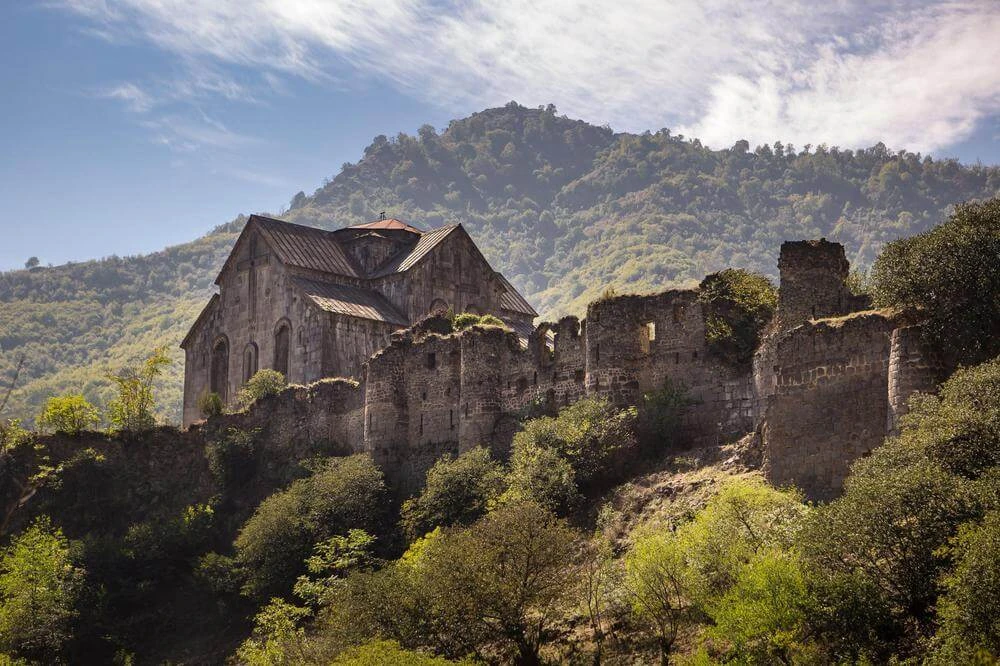
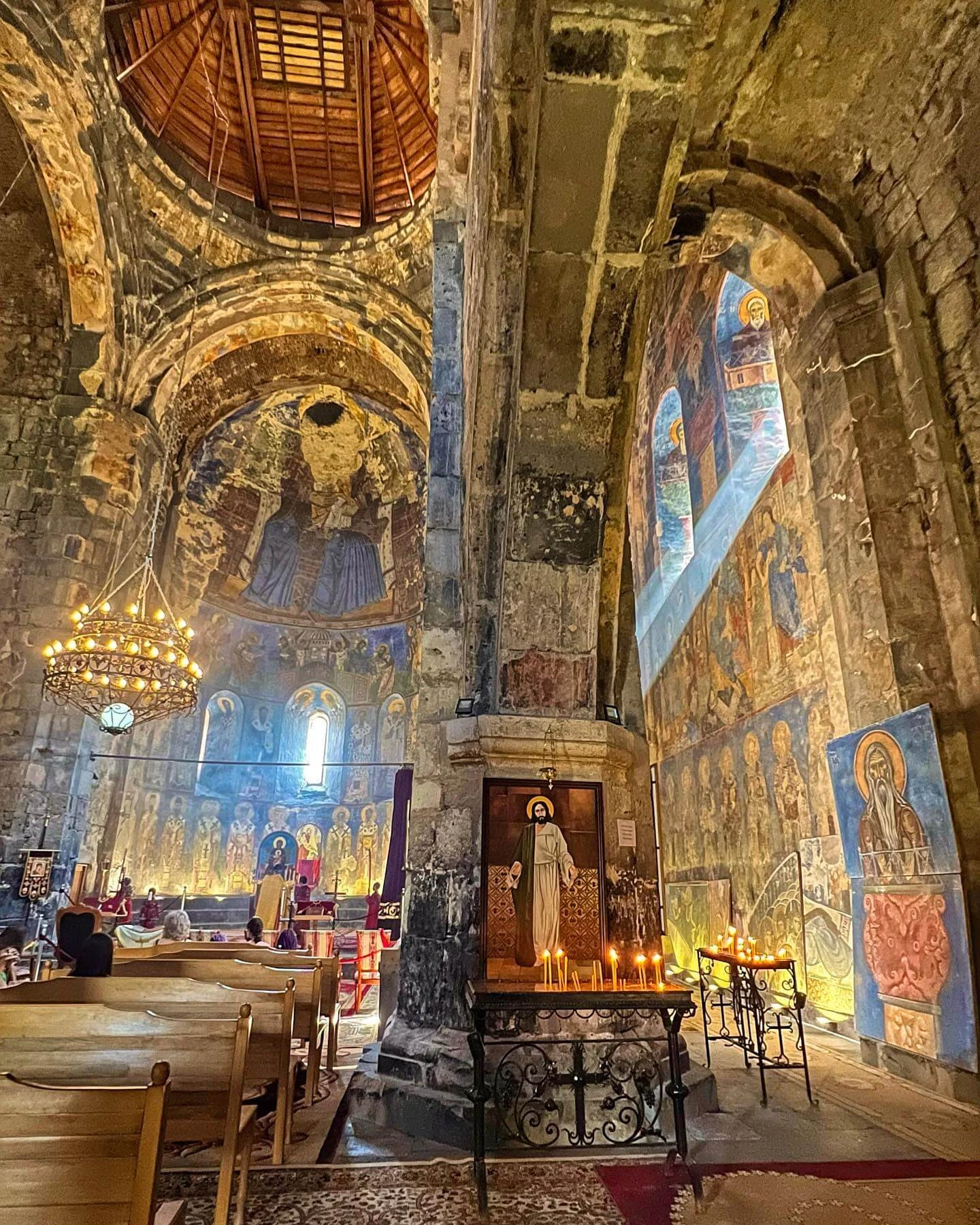
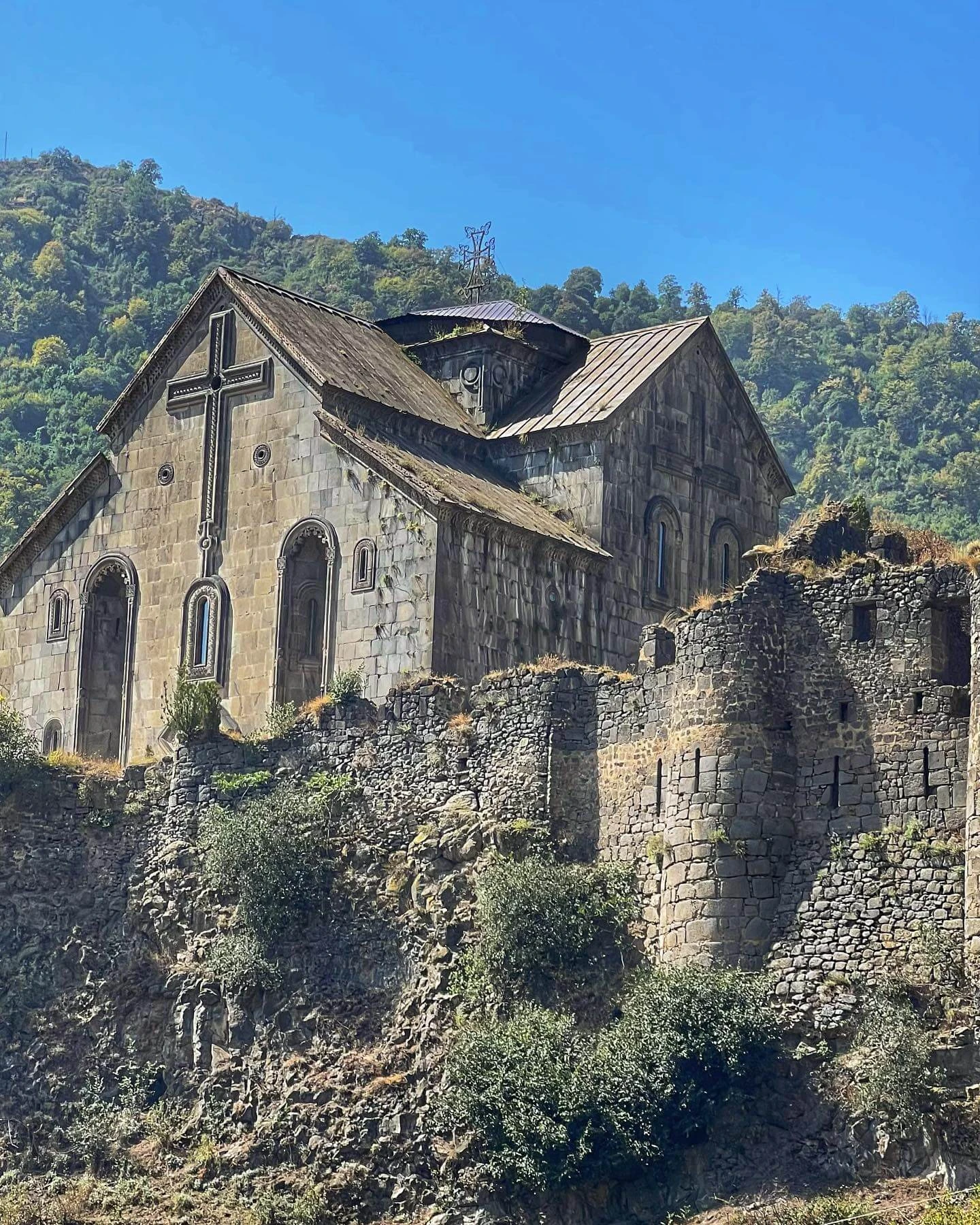
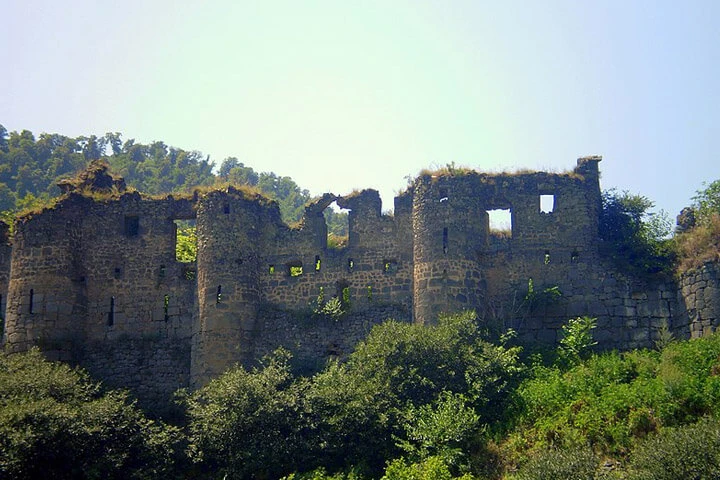
Akhtala is one of the most majestic fortresses in Armenia, towering on a plateau in the Debed River gorge. Built in the 10th century as the center of the Kyurikid dynasty, it is also known as Pghndzahank ("Copper Mine"). The region is famous for copper deposits; back in 1763, Georgian King Heraclius II invited Greek miners here to extract ore. The fortress is reliably protected by nature itself: deep cliffs surround it on three sides, and the only northern entrance is blocked by powerful basalt walls and flanked by three-story towers. This makes the citadel practically impregnable.
Aramyants Castle
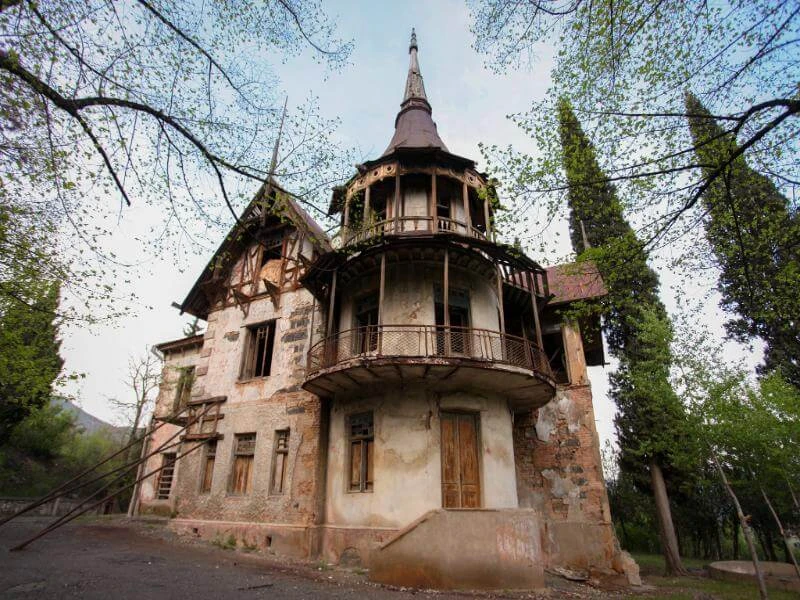
Aramyants Castle is a unique historical and architectural monument in the Lori region, built in a Swiss style rare for Armenia. Erected by philanthropist Mikael Aramyants in the 1900s in the town of Akhtala, the castle served as a luxurious summer residence and a site for significant events: it was here that the Declaration of the First Republic of Armenia was adopted. Notably, the first tennis court in Armenia was located on the castle grounds. On December 15, 2016, the building received the status of a historical and cultural monument of state significance.
End Point: Yerevan
What's Included
- Professional guide
- Professional driver
- Transportation
- Bottled water
What's Not Included
- Lunch and dinner
- Personal expenses
- Entrance fees
- Masterclass / Tasting
Frequently Asked Questions
- How long is the tour and where does it start? It is a full-day private tour from Yerevan through the Lori region, visiting Haghpat Monastery, the Zarni-Parni cave-fortress, Akhtala Fortress, and Aramyants Castle.
- What are the highlights? The 10th-century Haghpat Monastery (where ashug Sayat-Nova once lived), the mysterious Zarni-Parni cave complex with its "Dripping Spring," the near-impregnable Akhtala Fortress above the Debed Gorge, and the Swiss-style Aramyants Castle where the First Republic of Armenia's declaration was adopted.
- Is Haghpat a UNESCO site? Haghpat is one of Armenia's most important medieval monastic complexes; it is a well-known UNESCO-listed monument of the Lori region.
- What is included in the price? A professional guide, a professional driver, transportation, and bottled water. Lunch, dinner, entrance fees, and any masterclass/tasting are not included.
- Is it a private tour? Yes, run for your group with your own guide and driver.
- Is it a long day? Yes — Lori is in northern Armenia, so expect a full day with scenic driving between the historic sites.
- What should I bring? Comfortable shoes, layers for mountain weather, and money for entrance fees, food, and any tasting, which are not included.
Ready to book this tour?