Khor Virap, Areni & Noravank
- 1 Day
- Classic
Contact for details
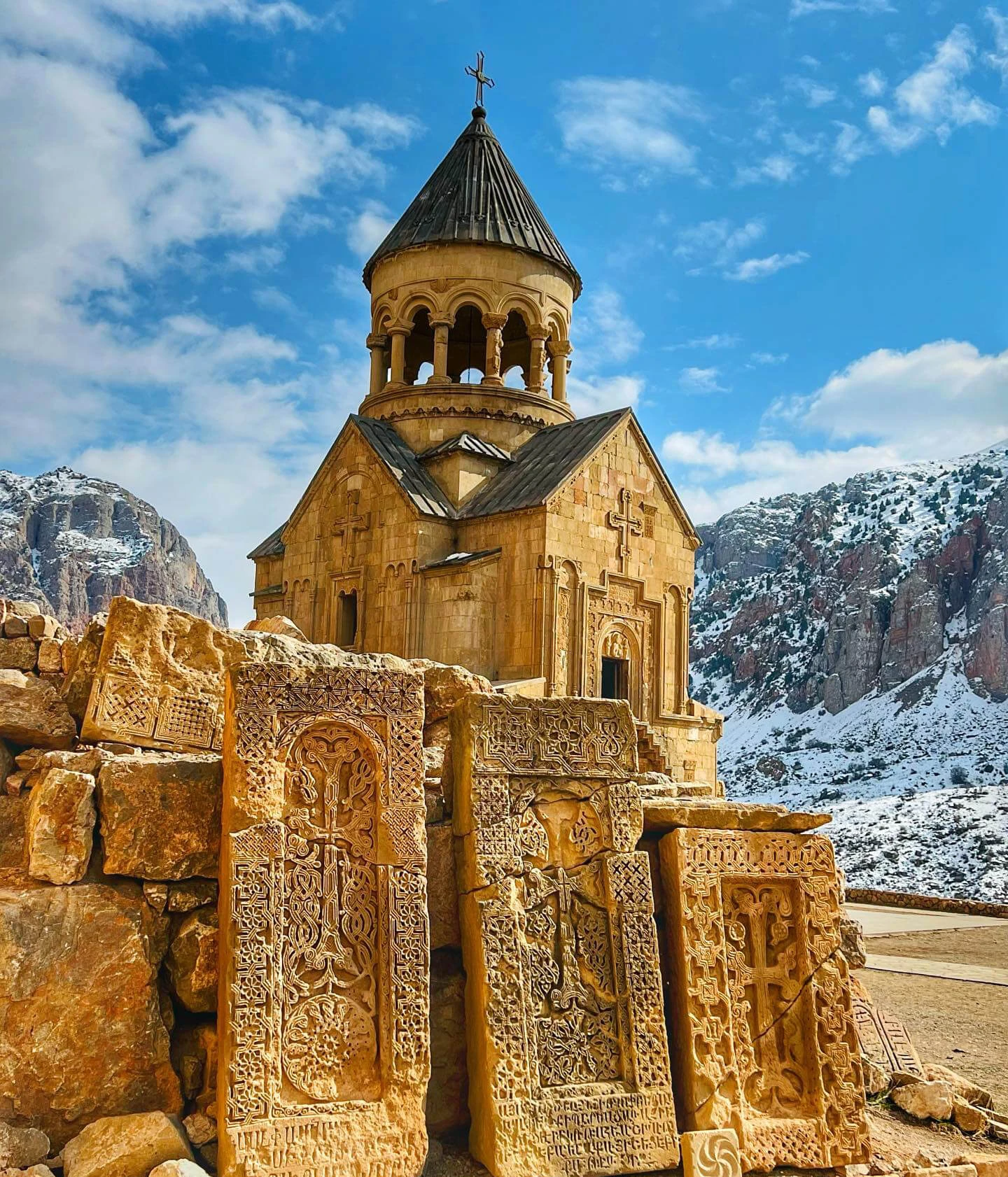
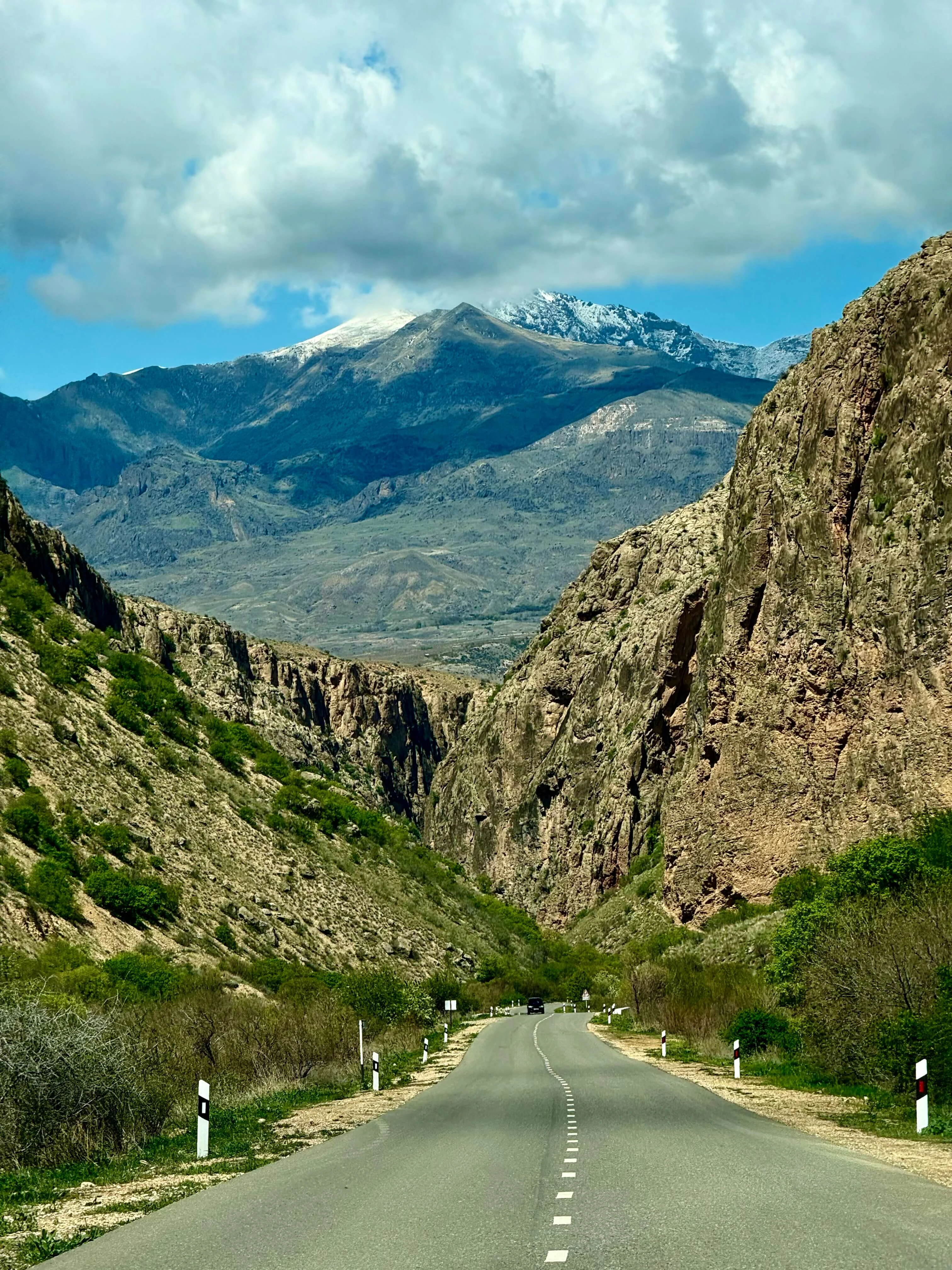
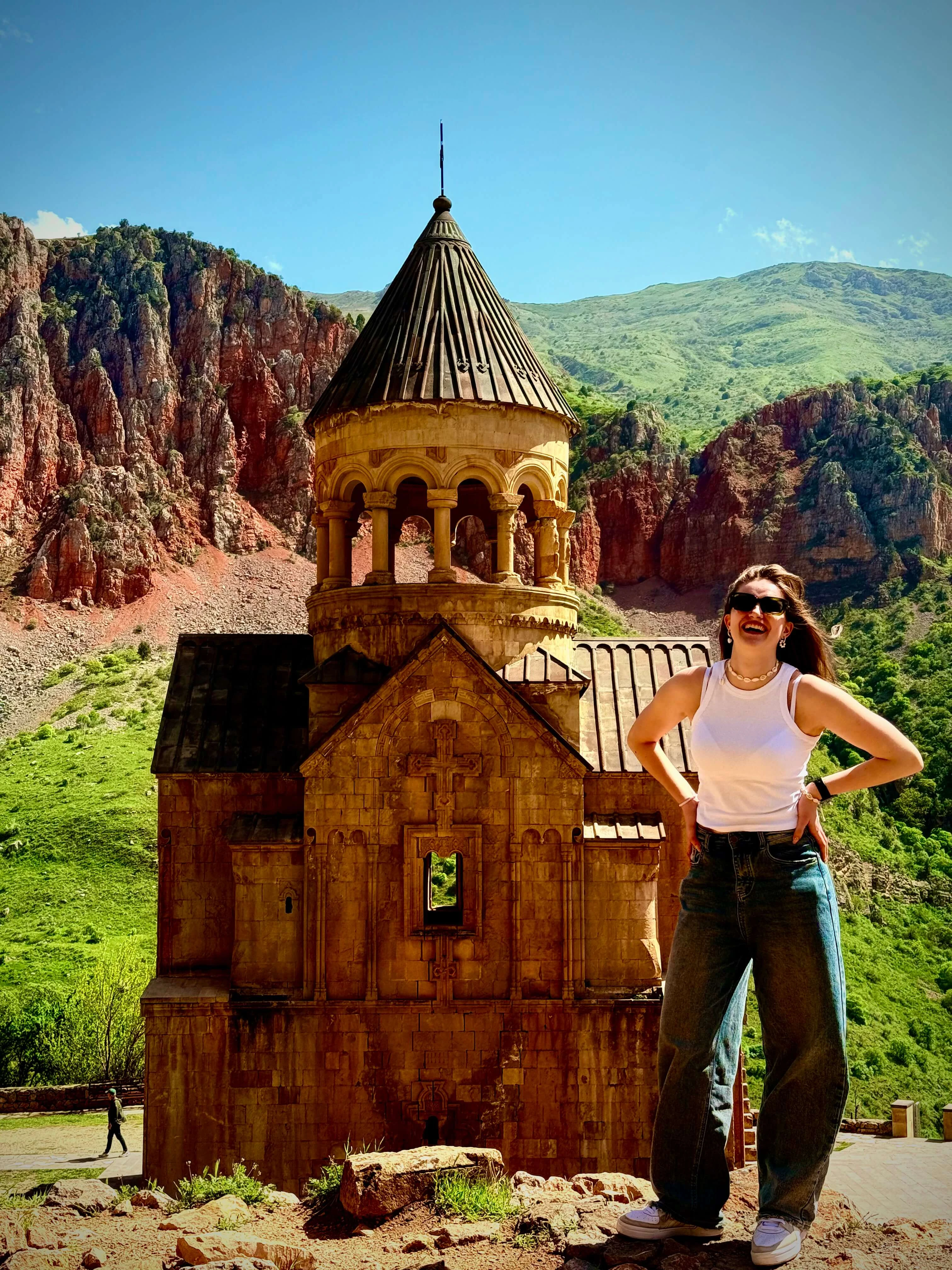
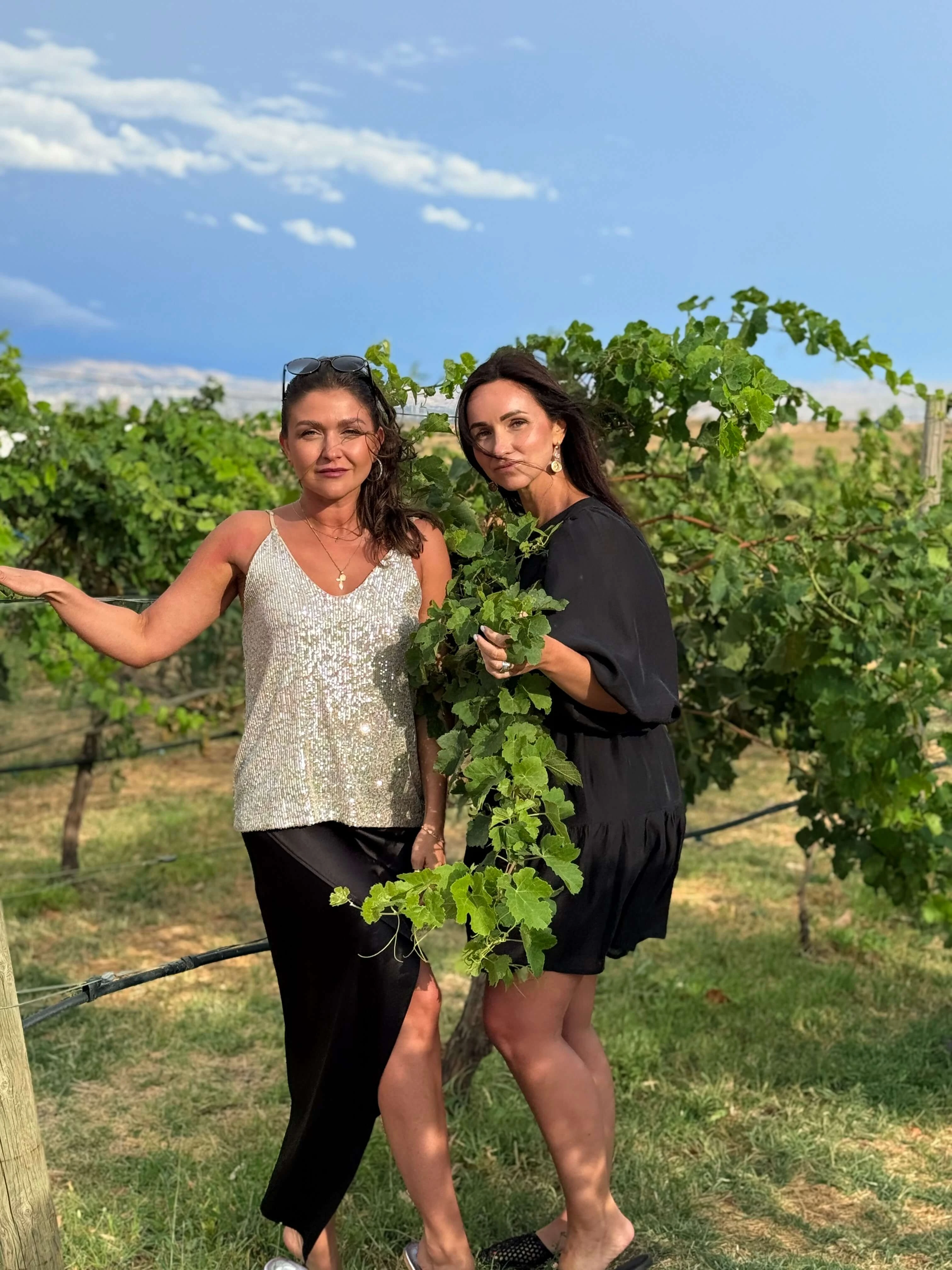
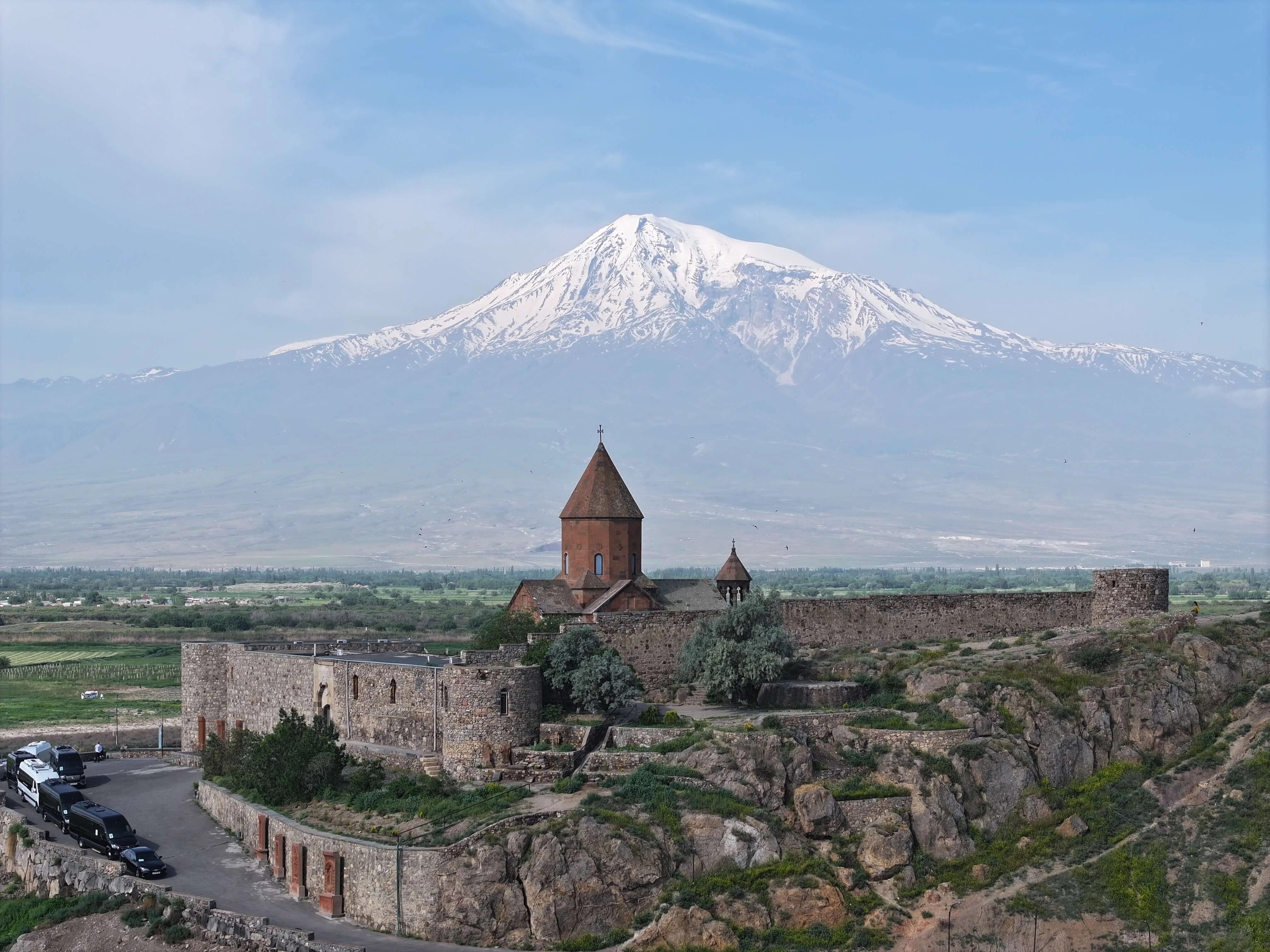
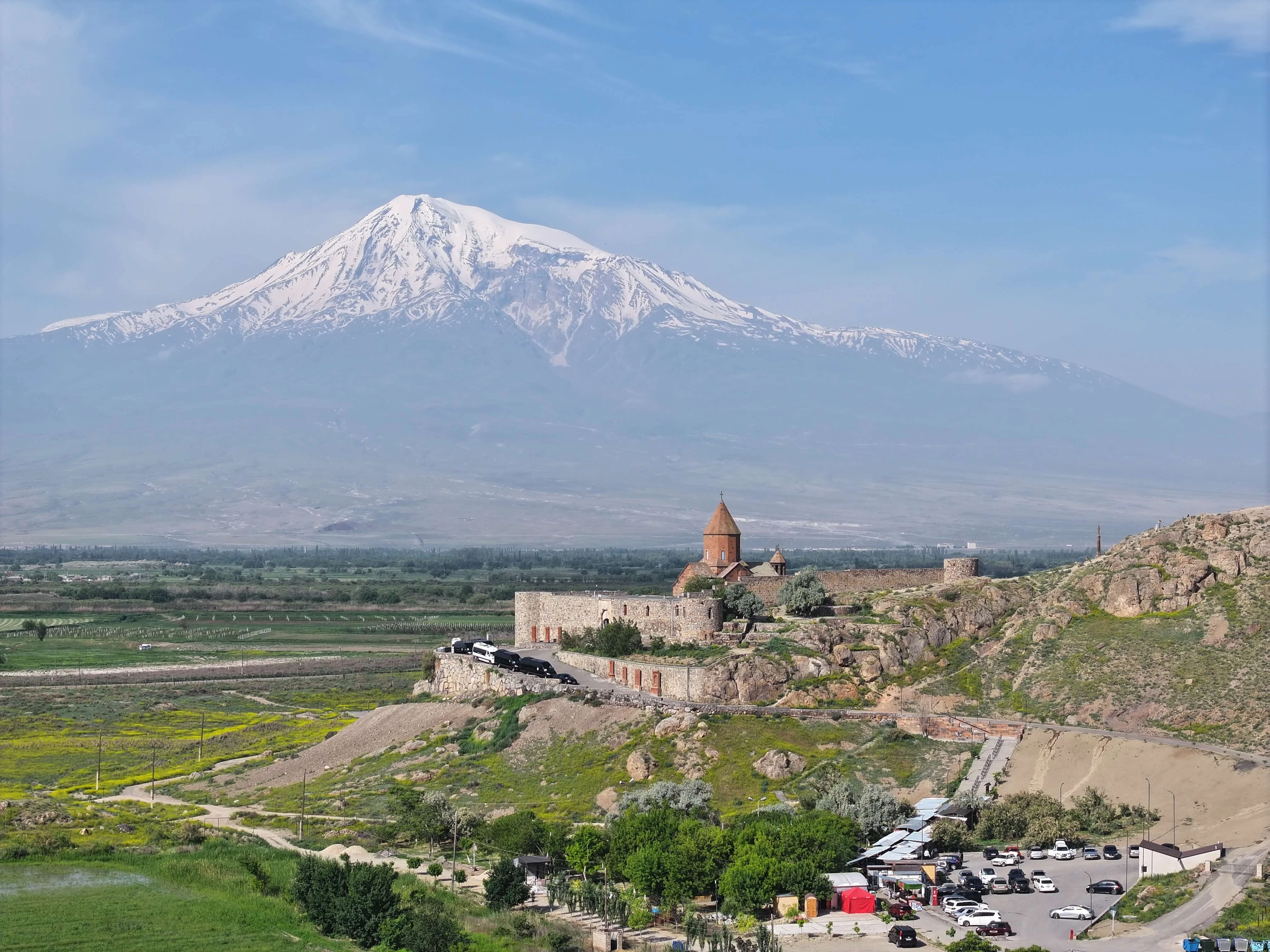
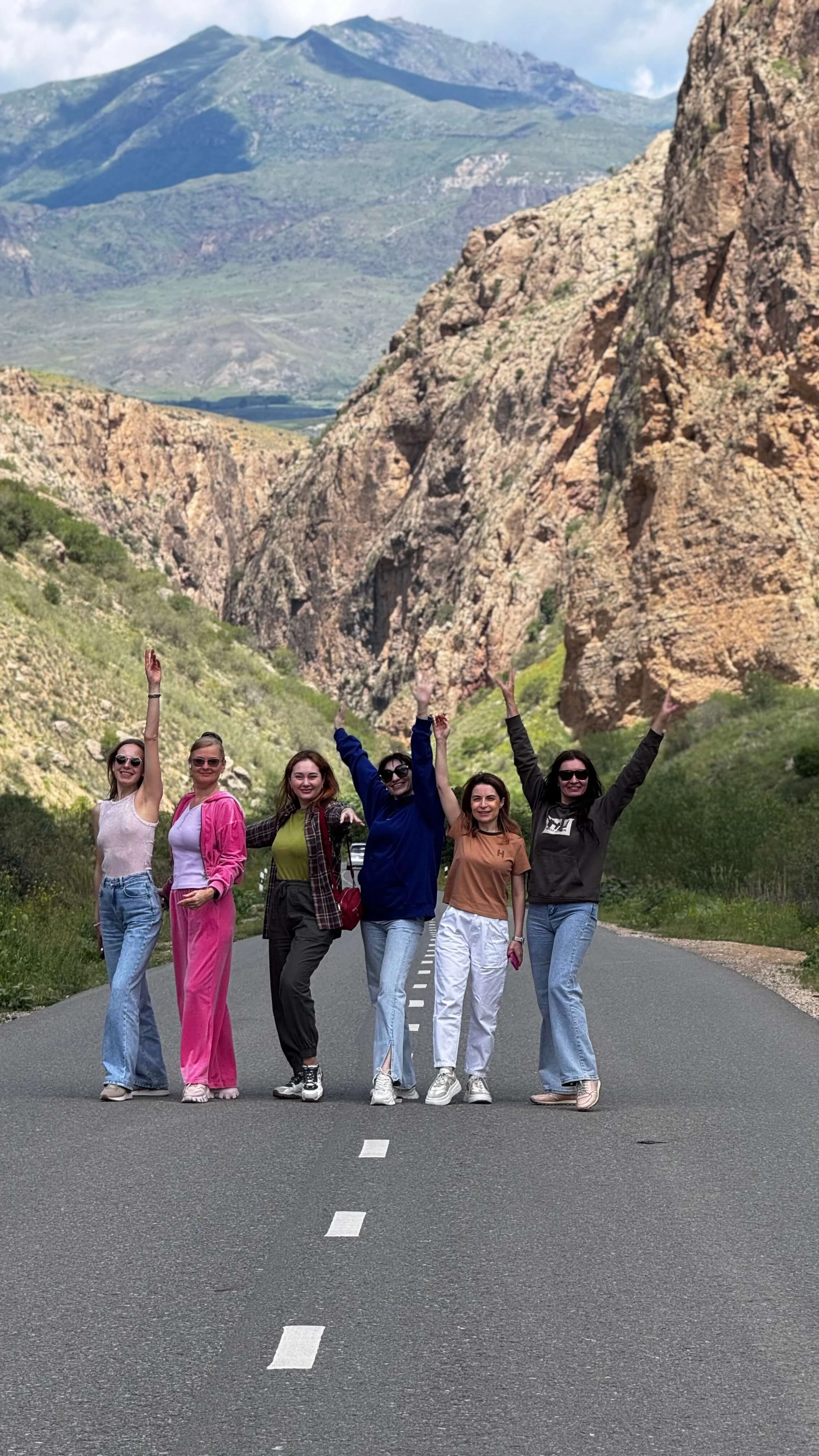
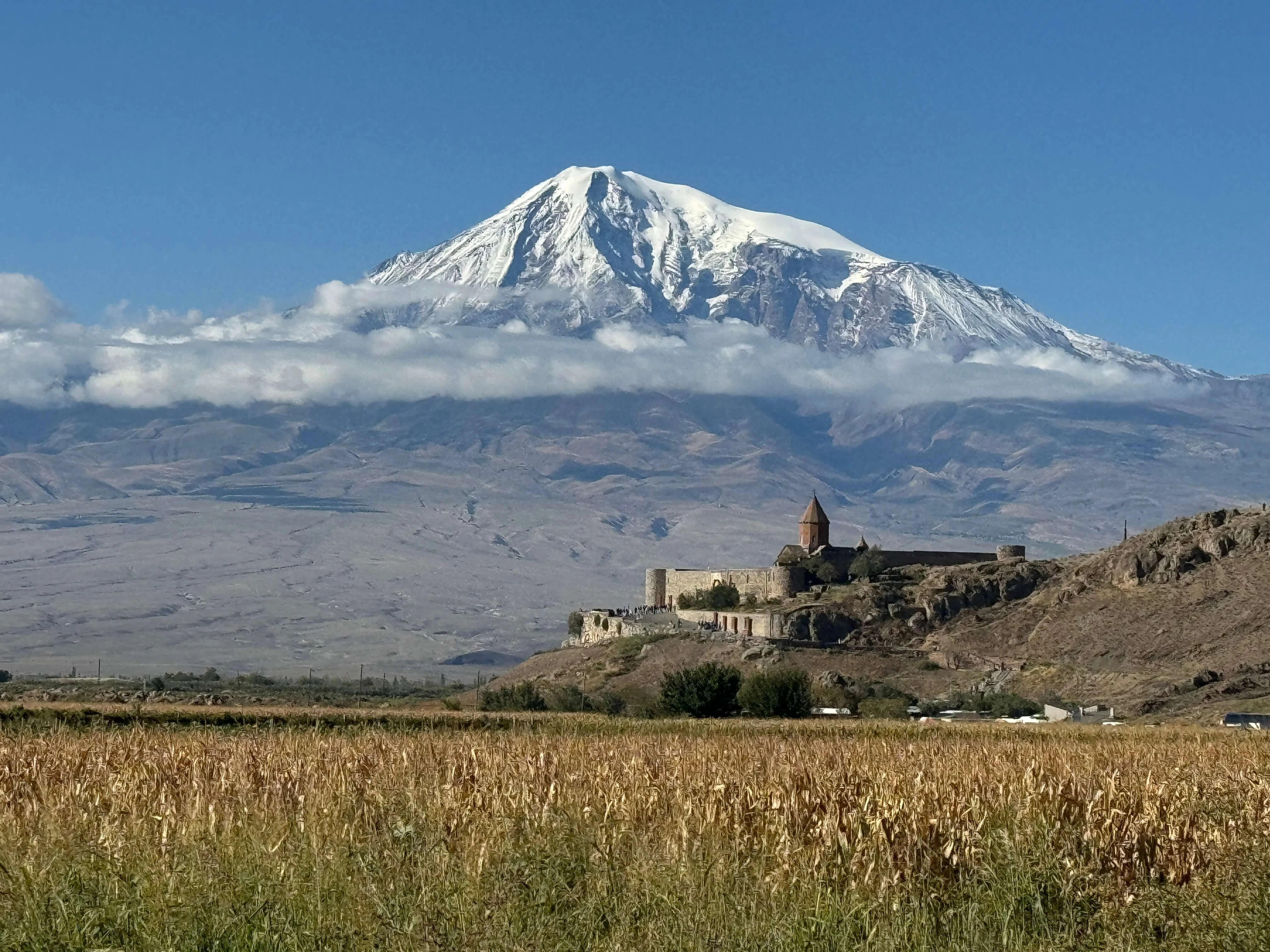
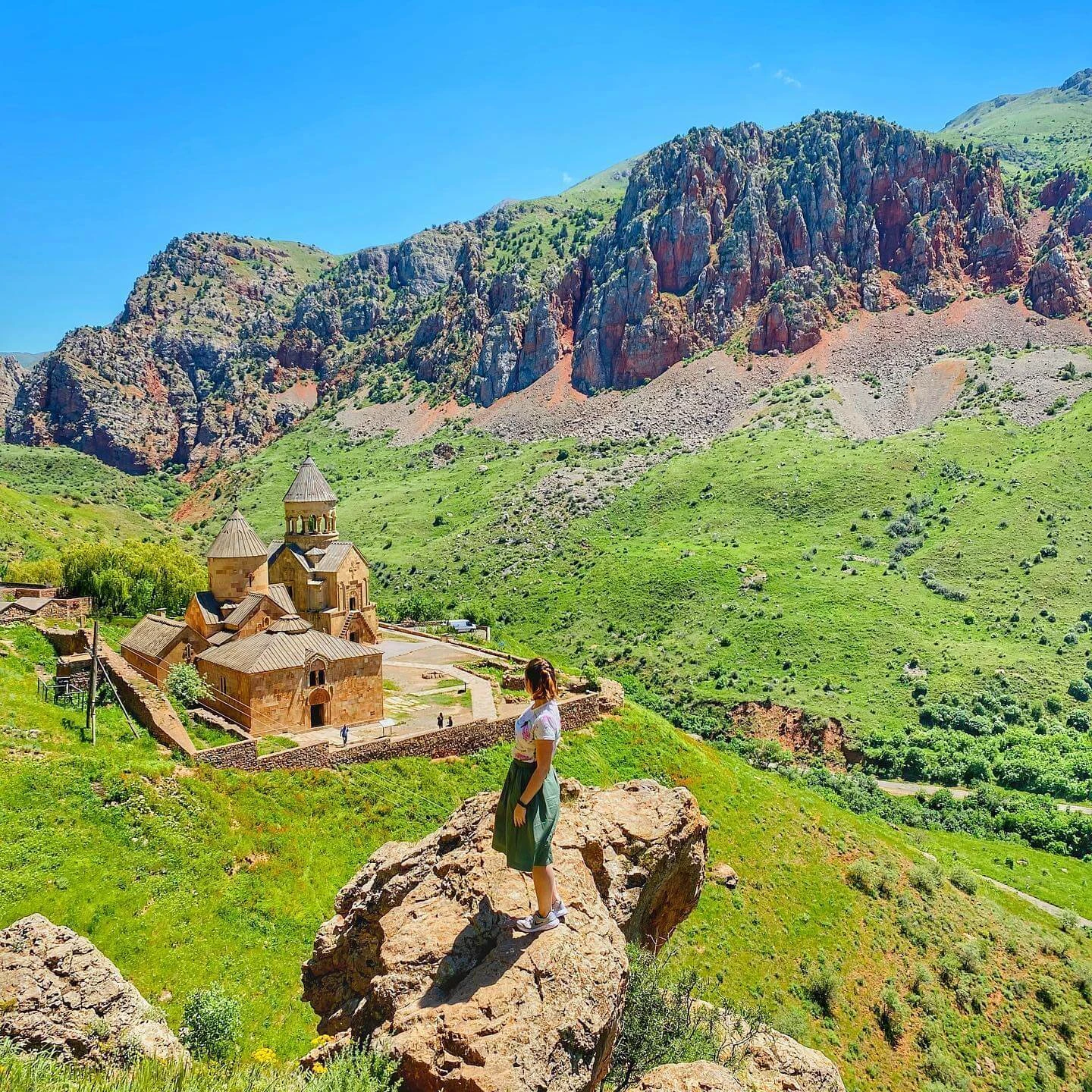
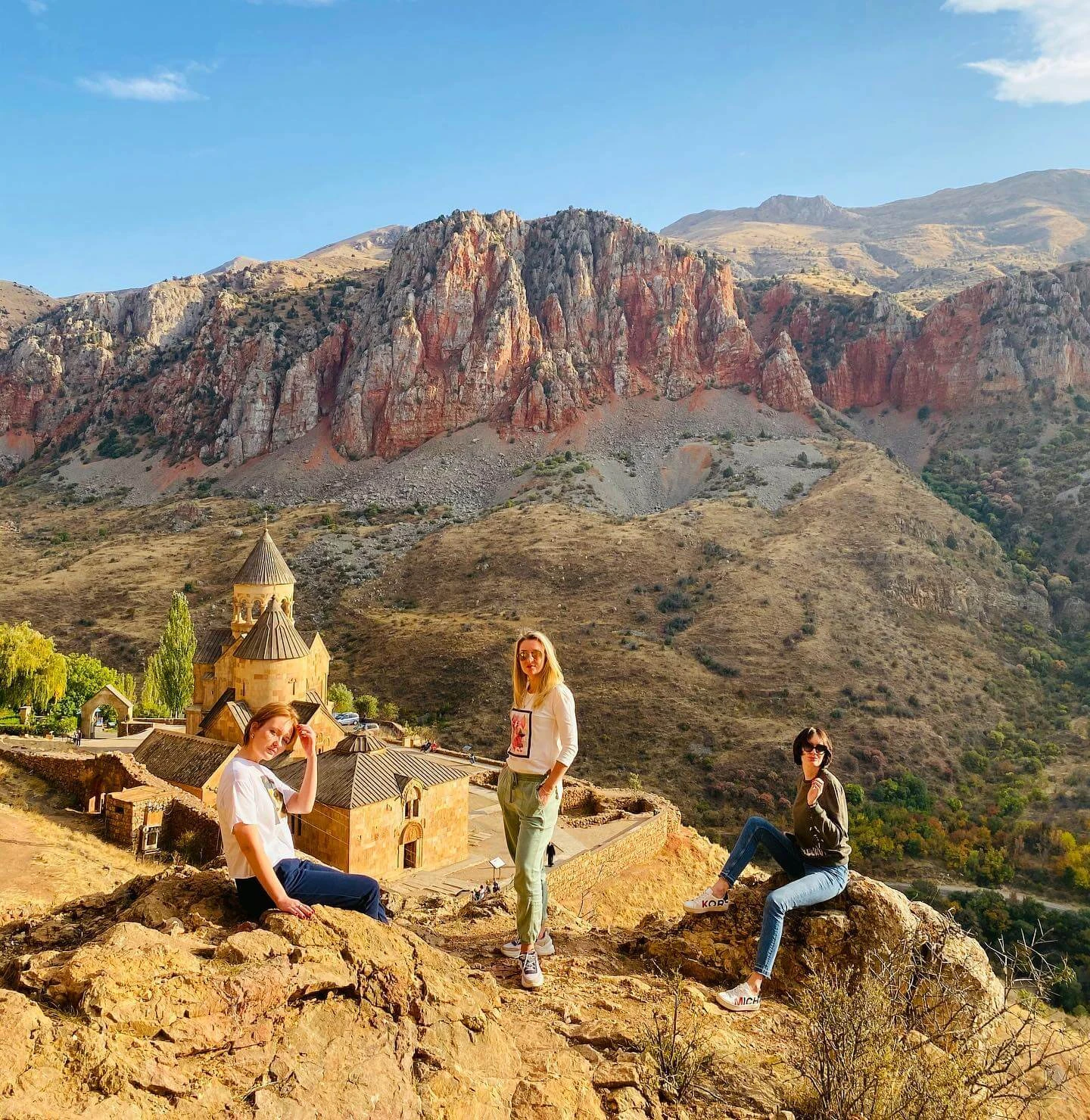
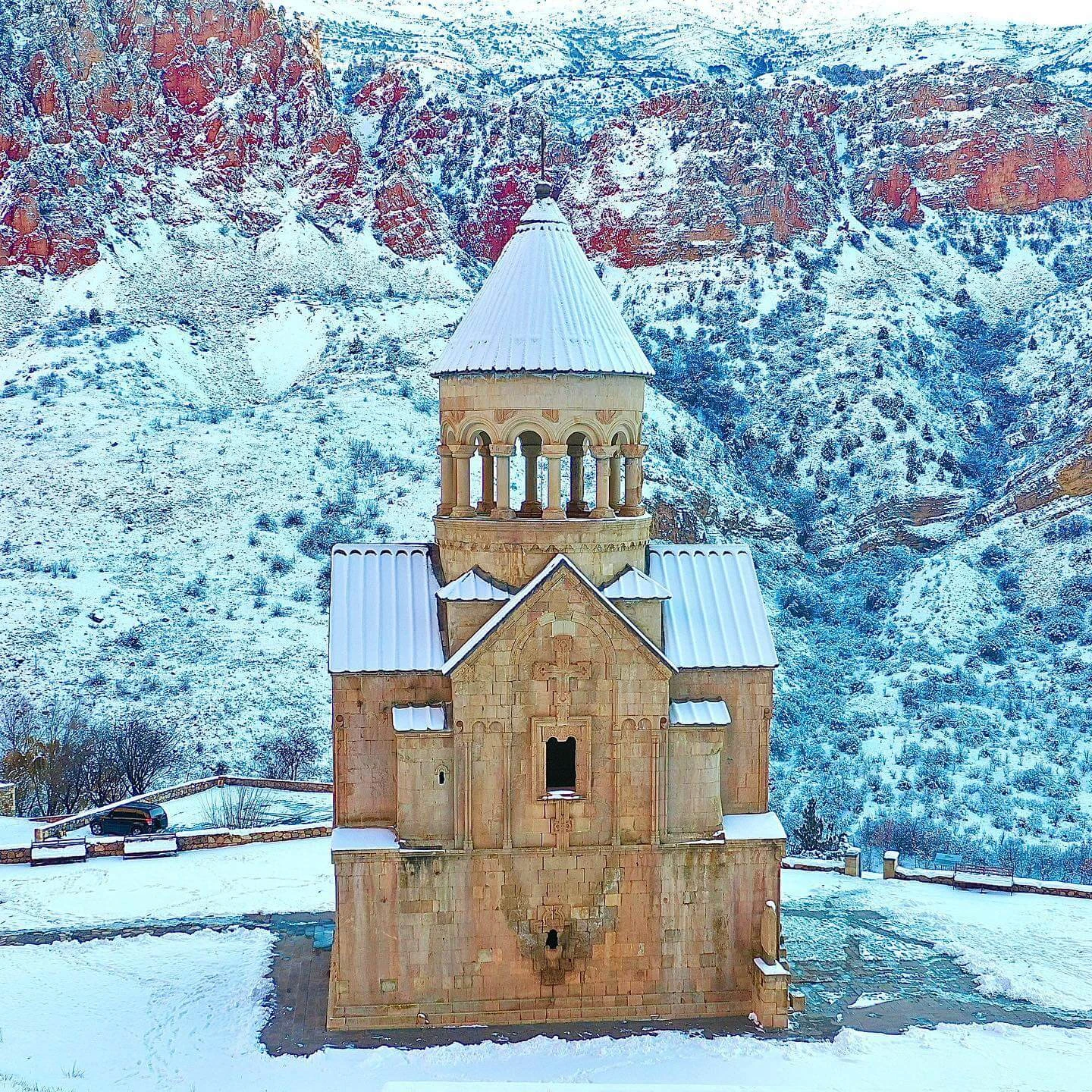
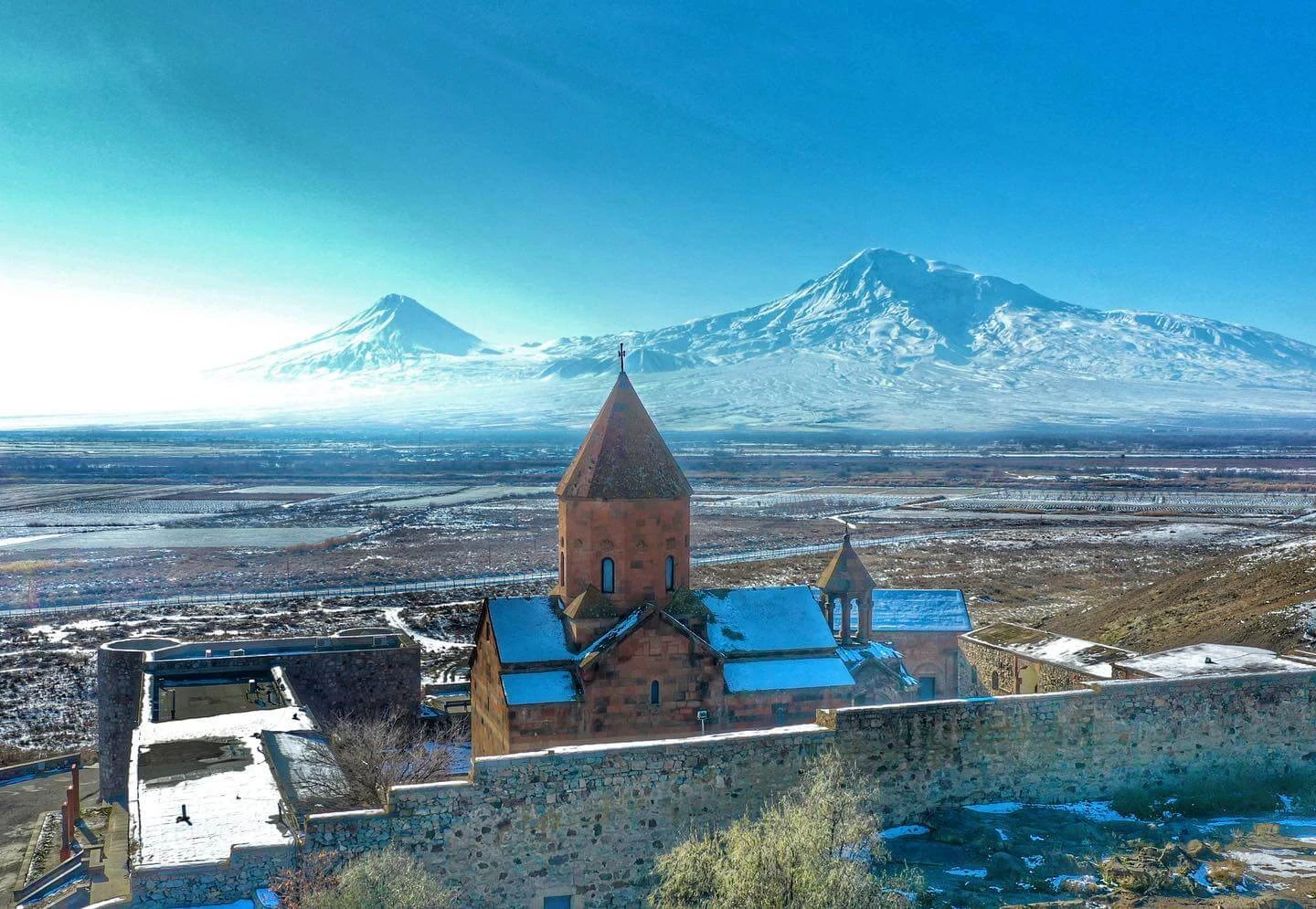
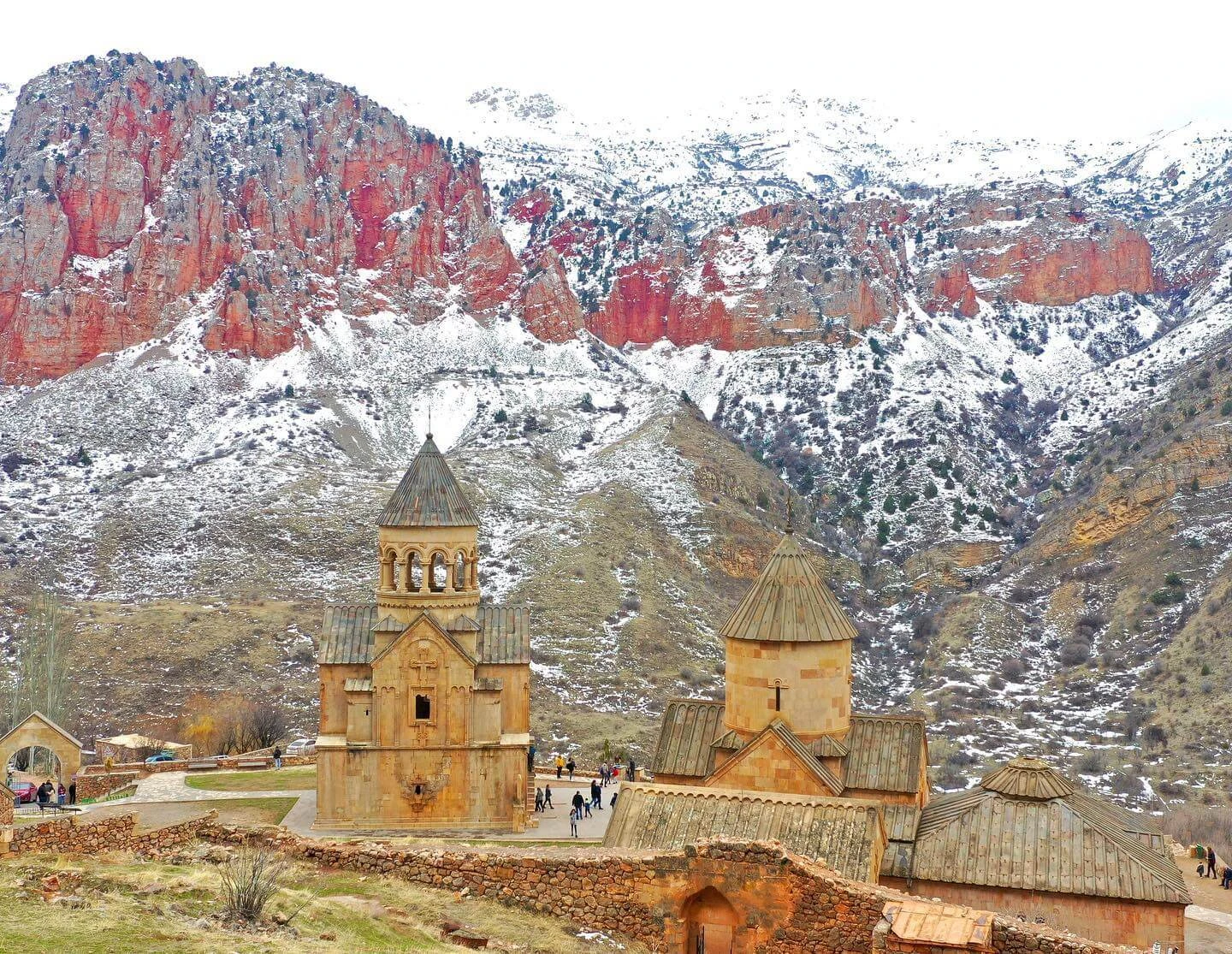
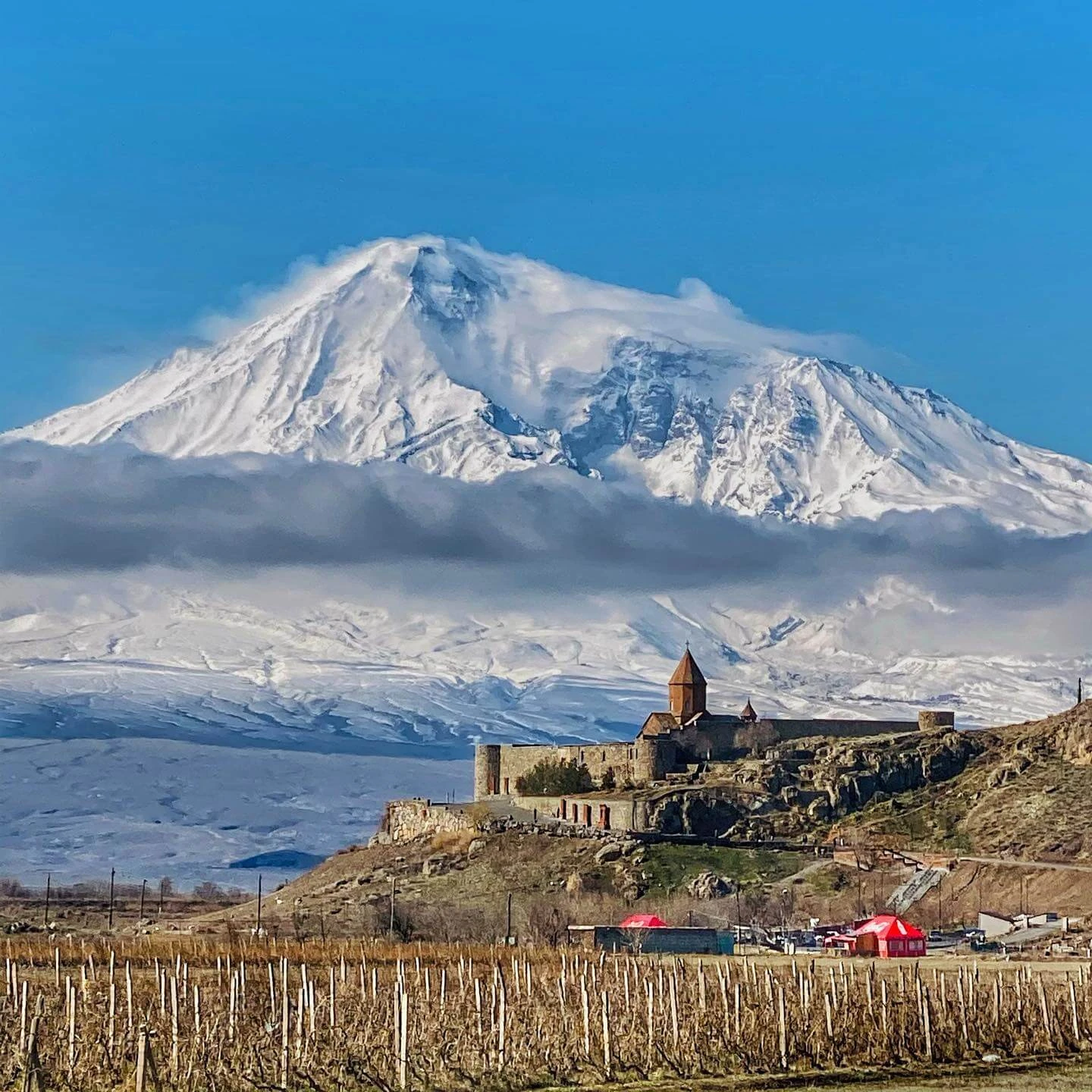
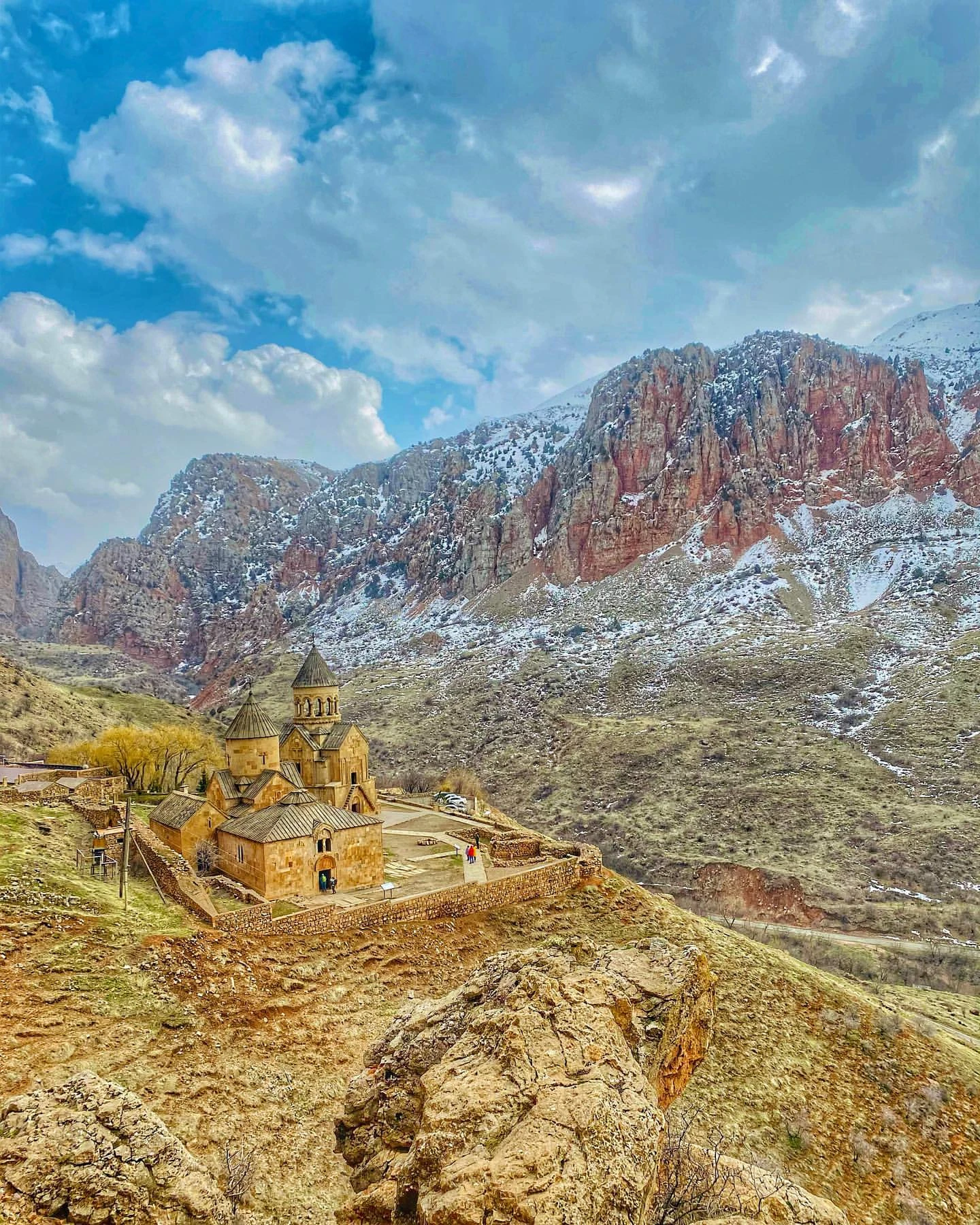
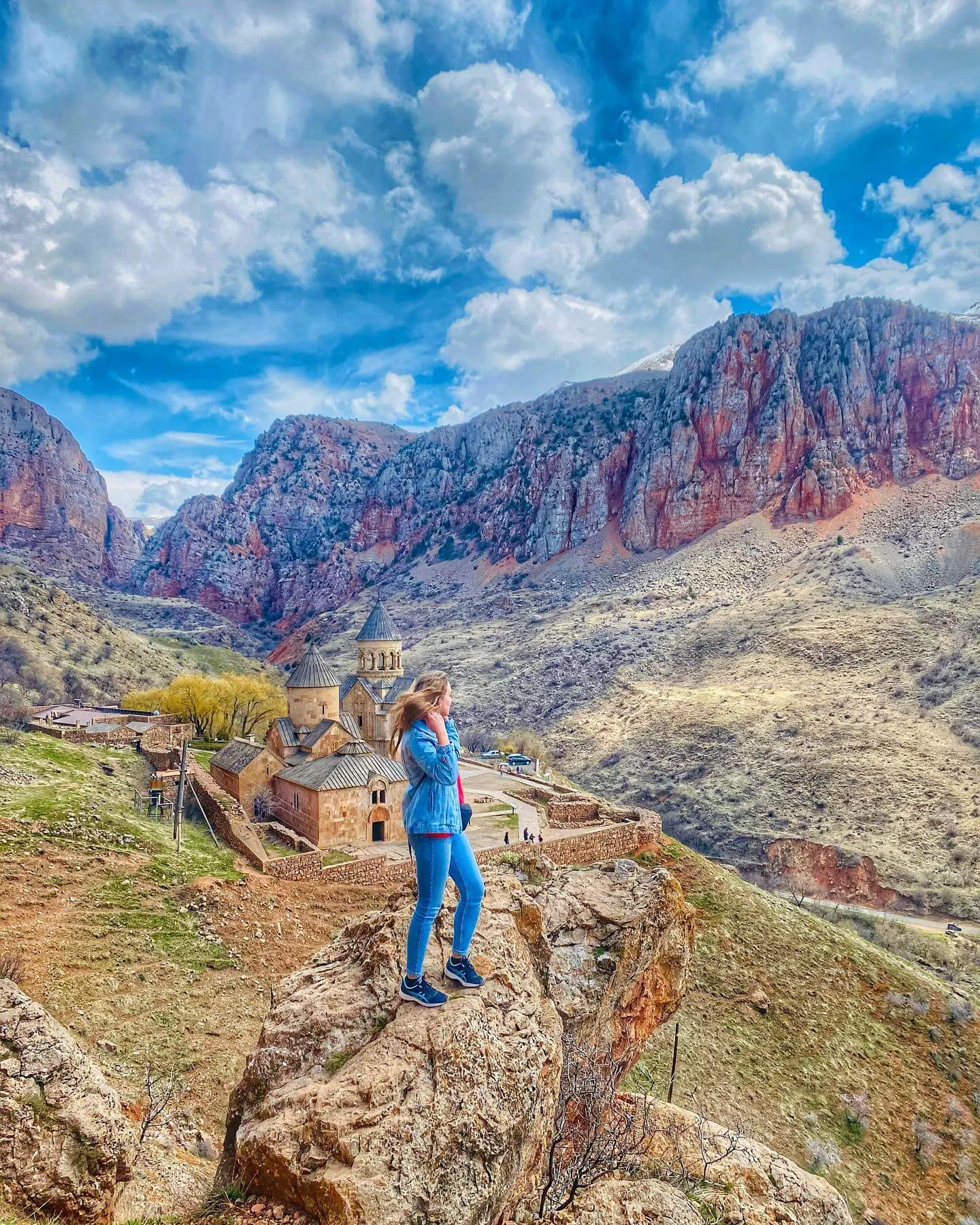
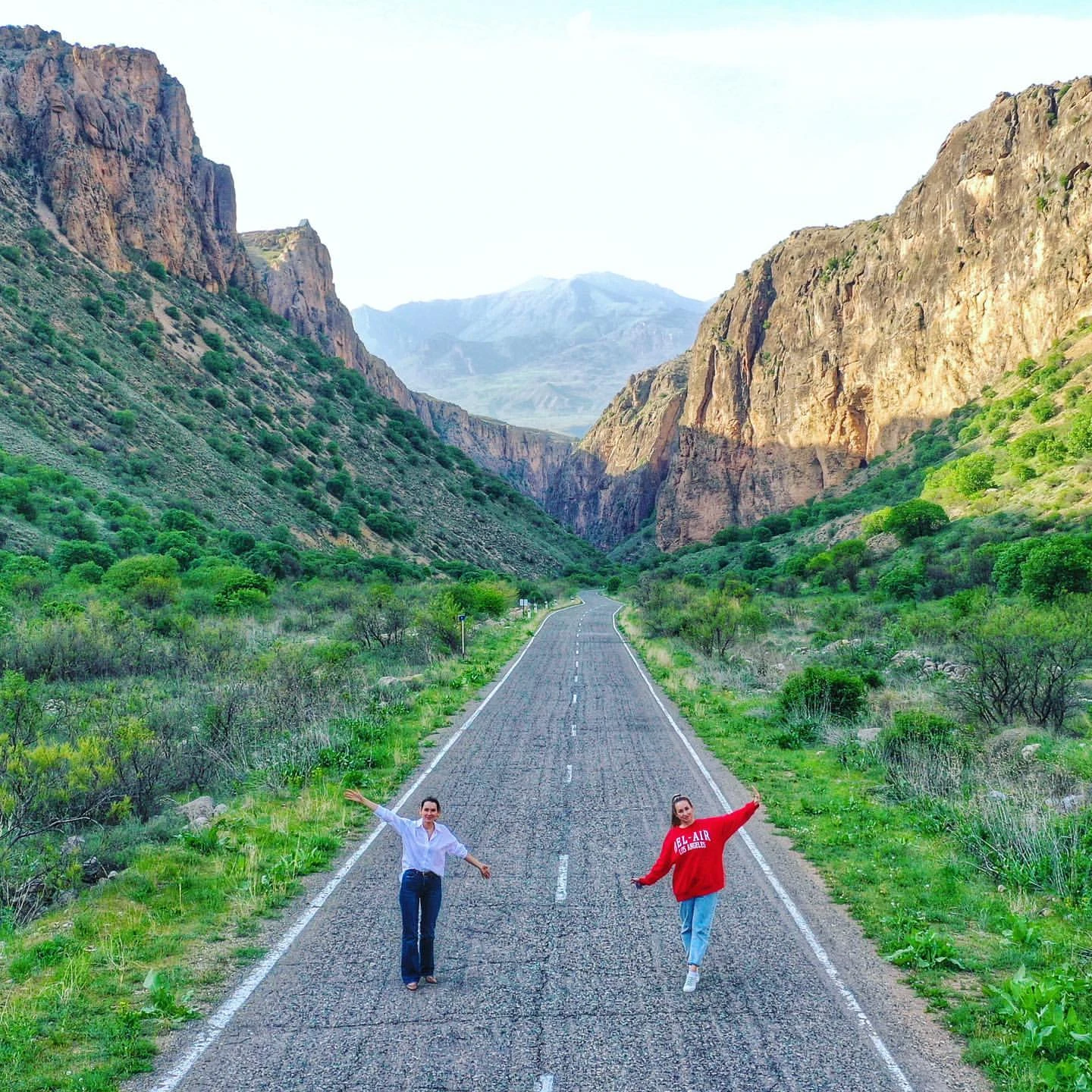
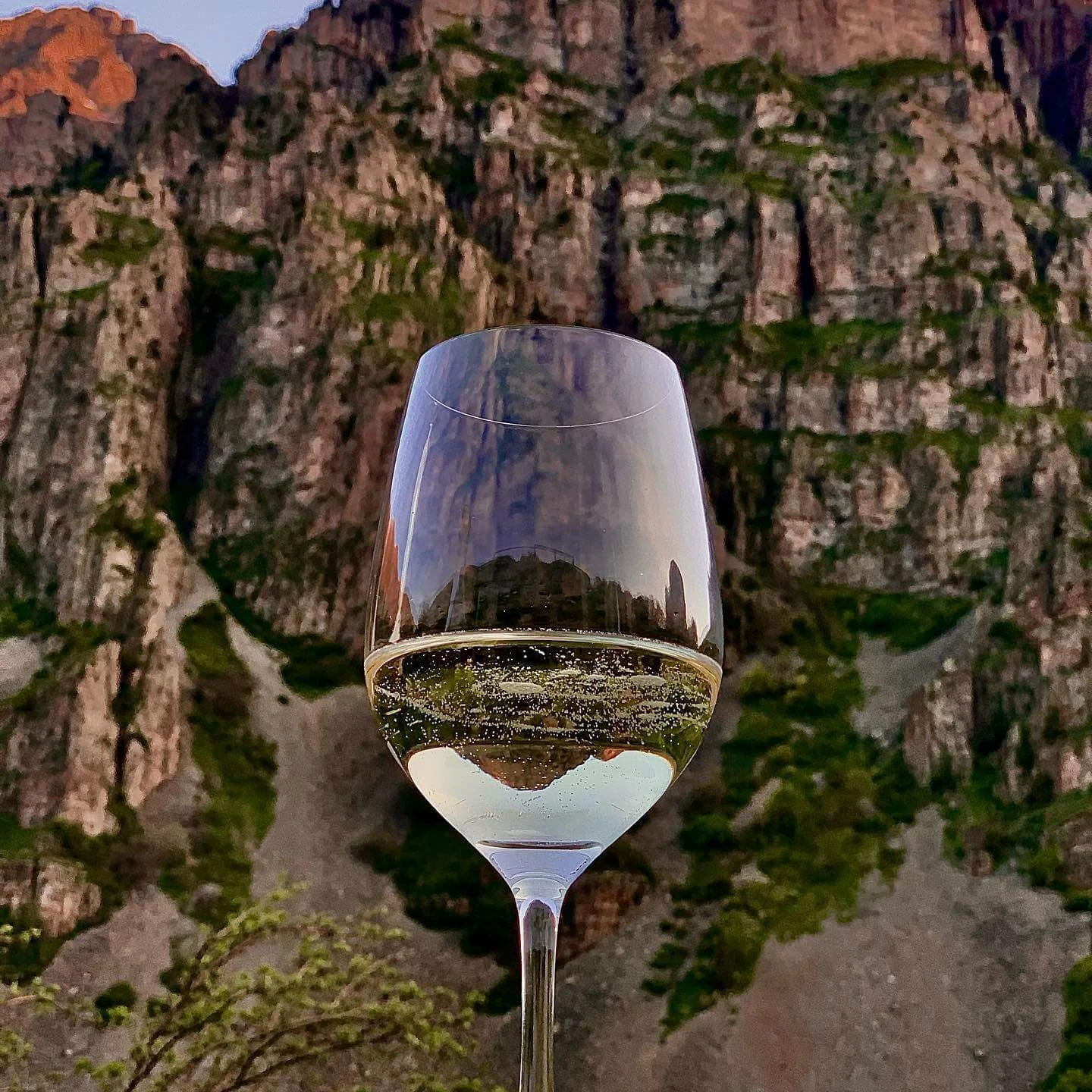
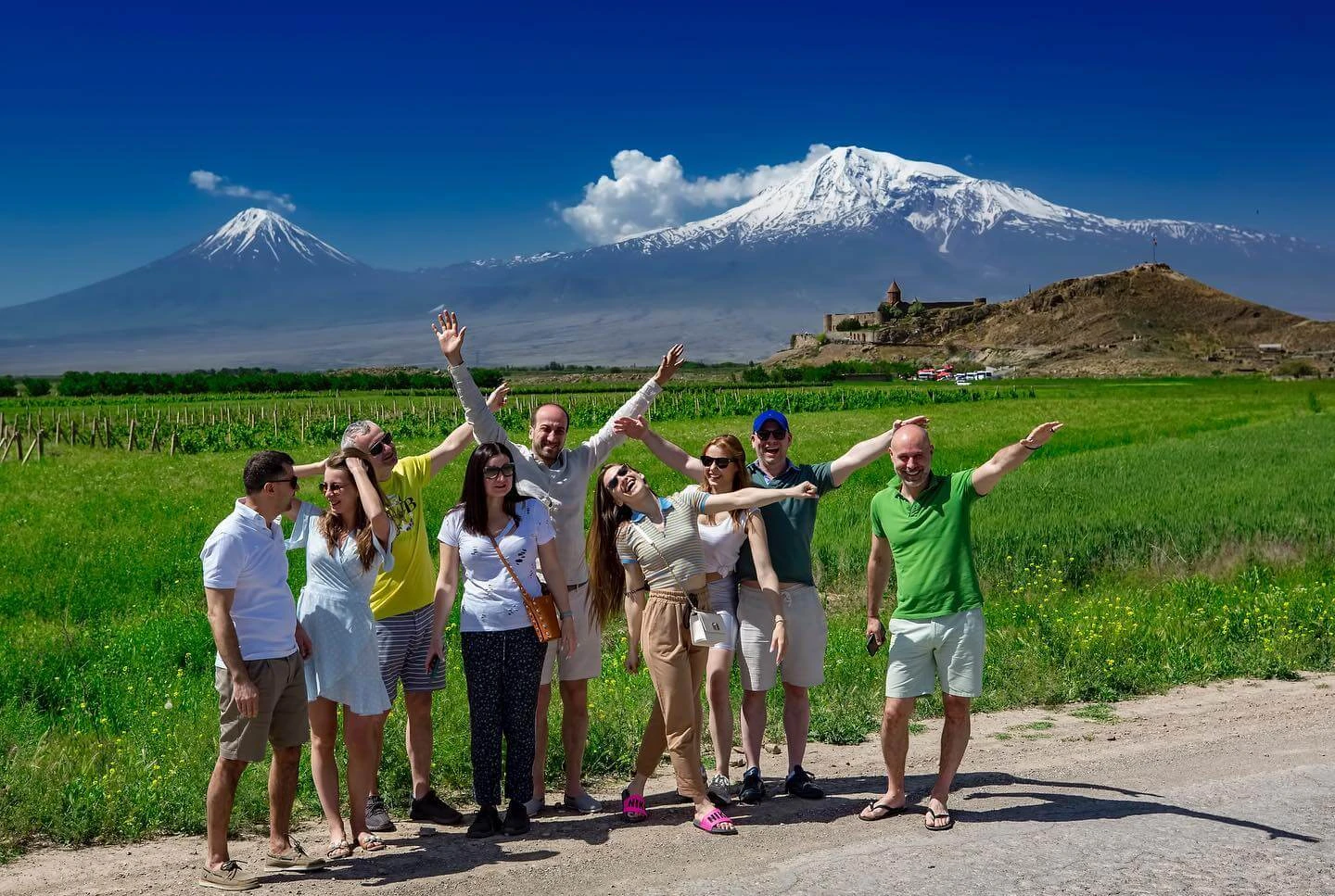
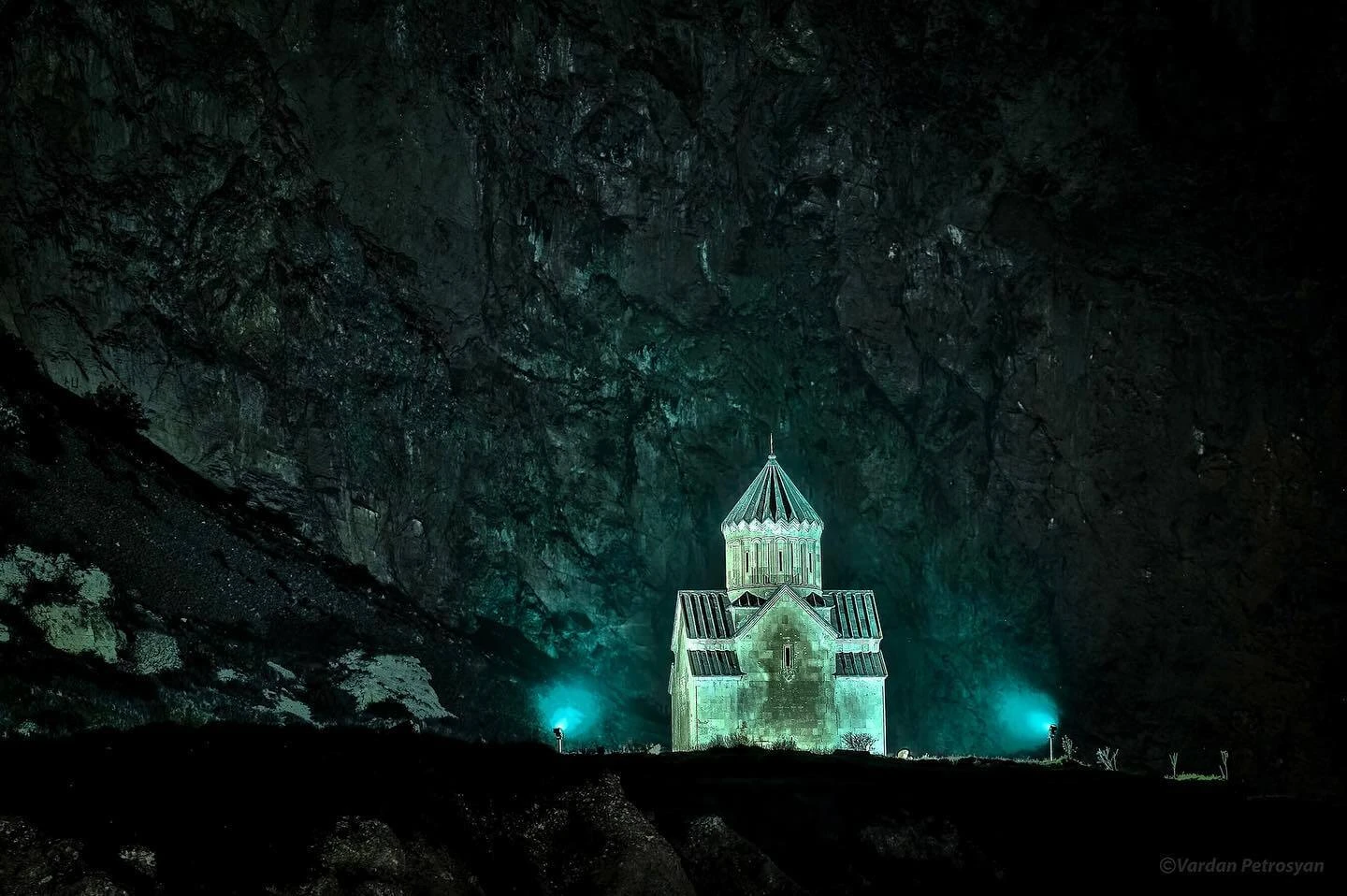
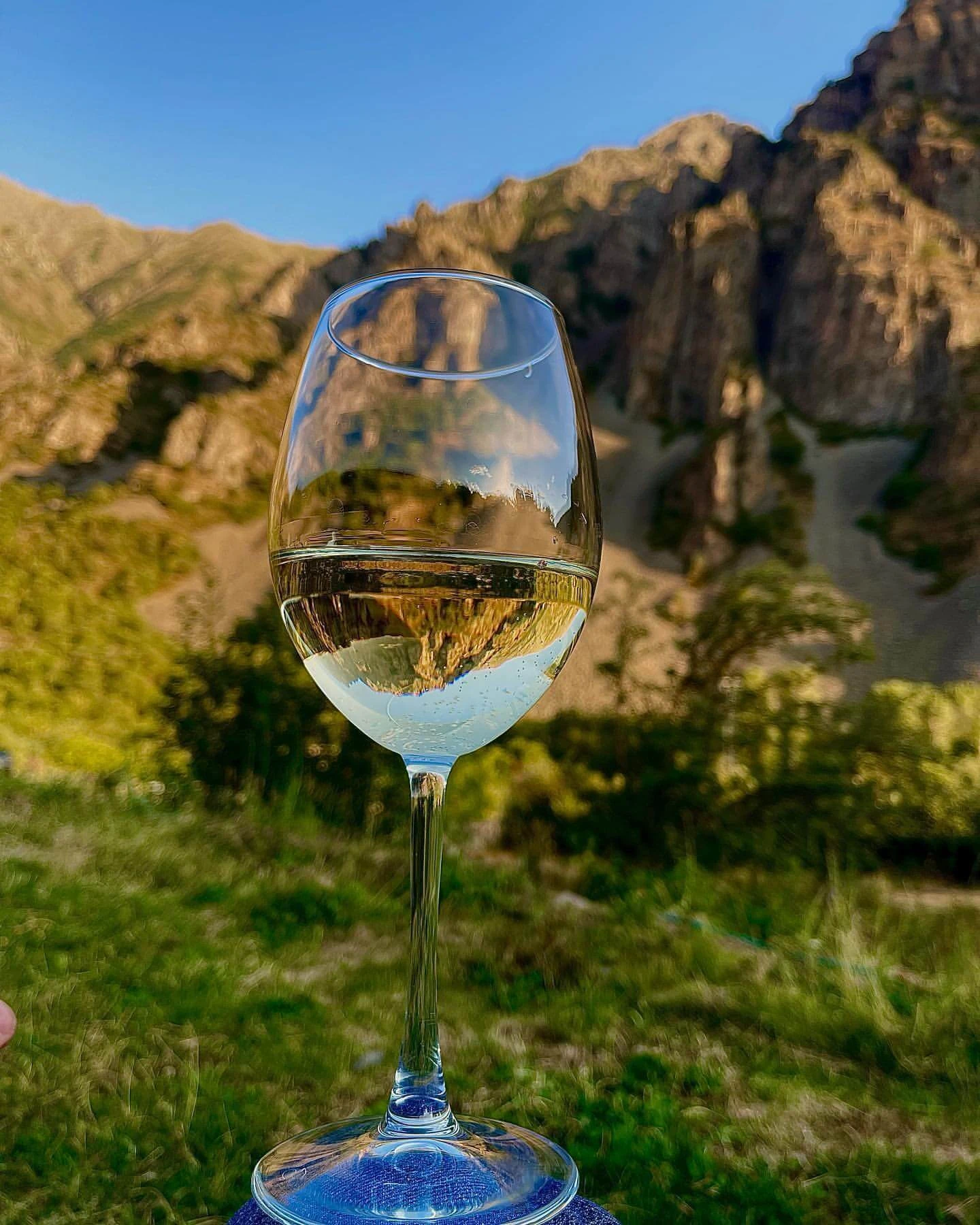
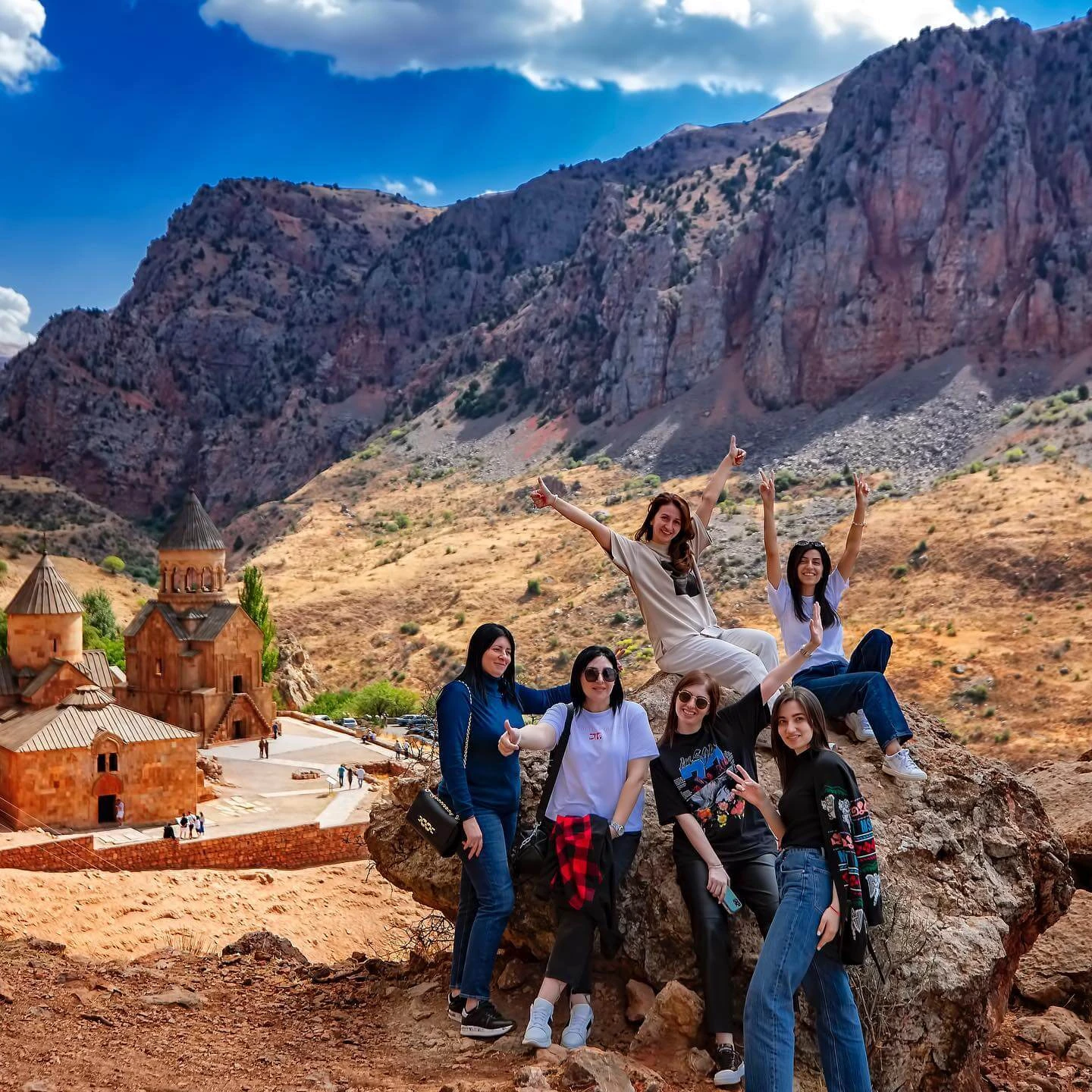
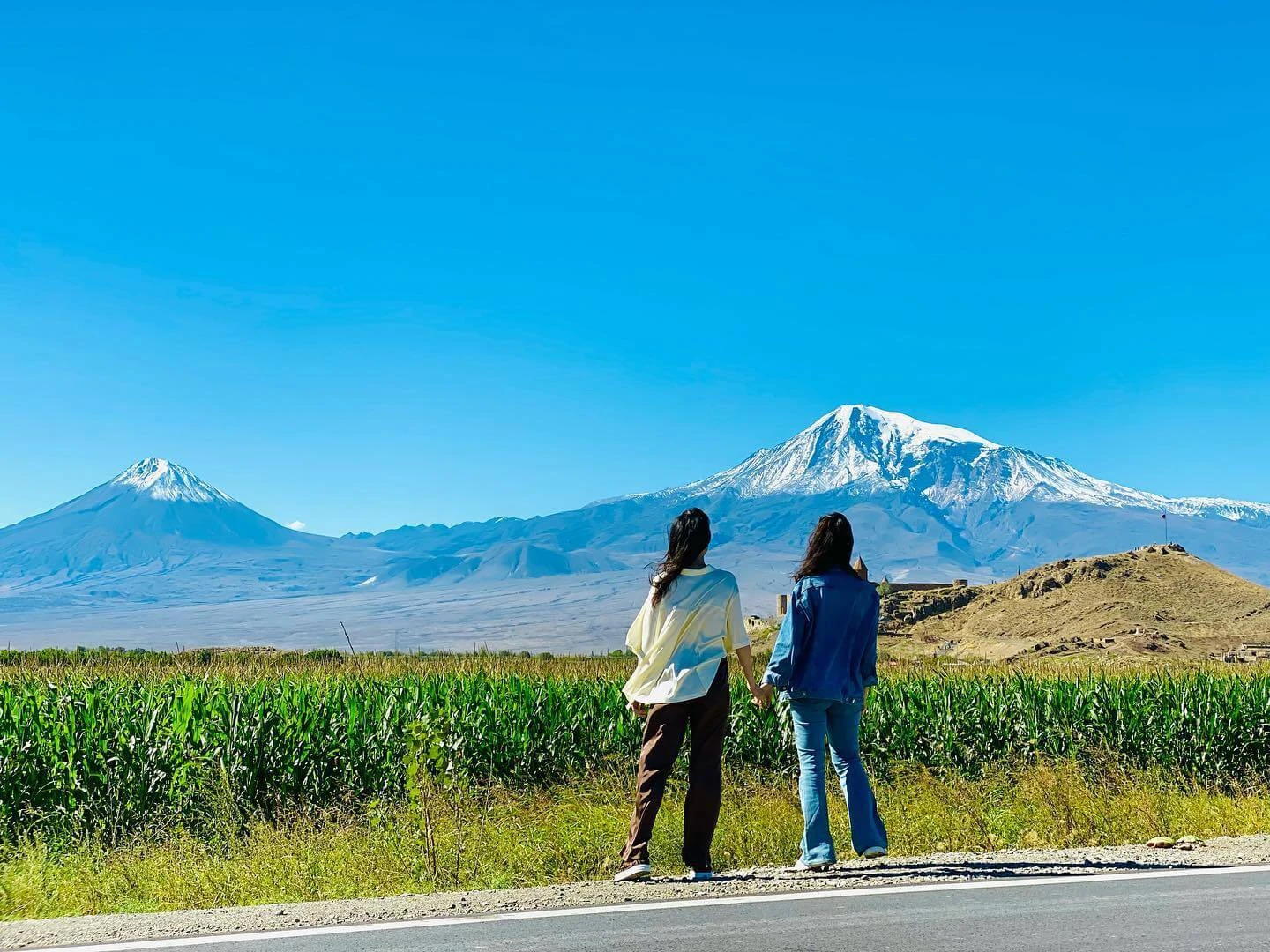
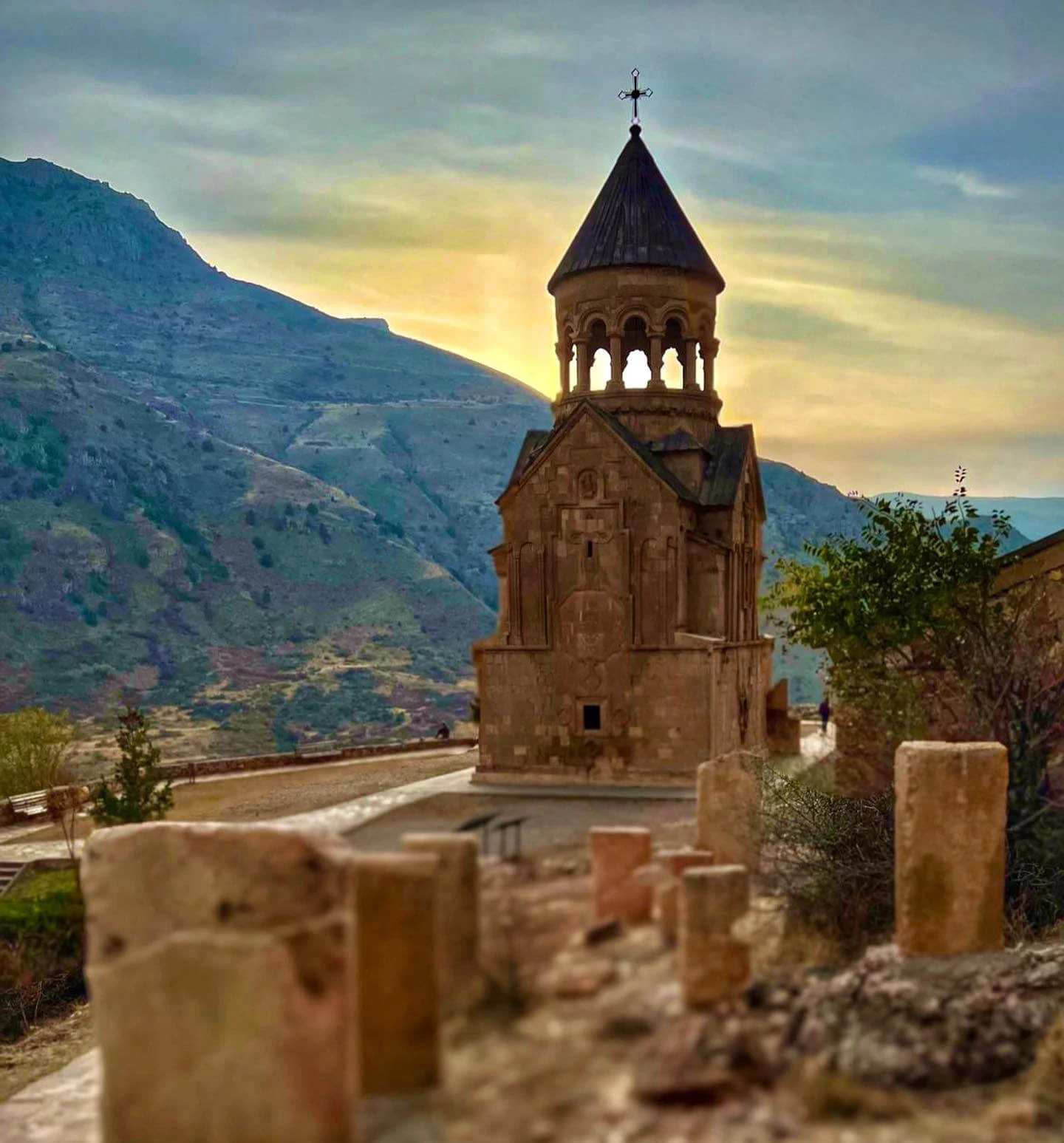
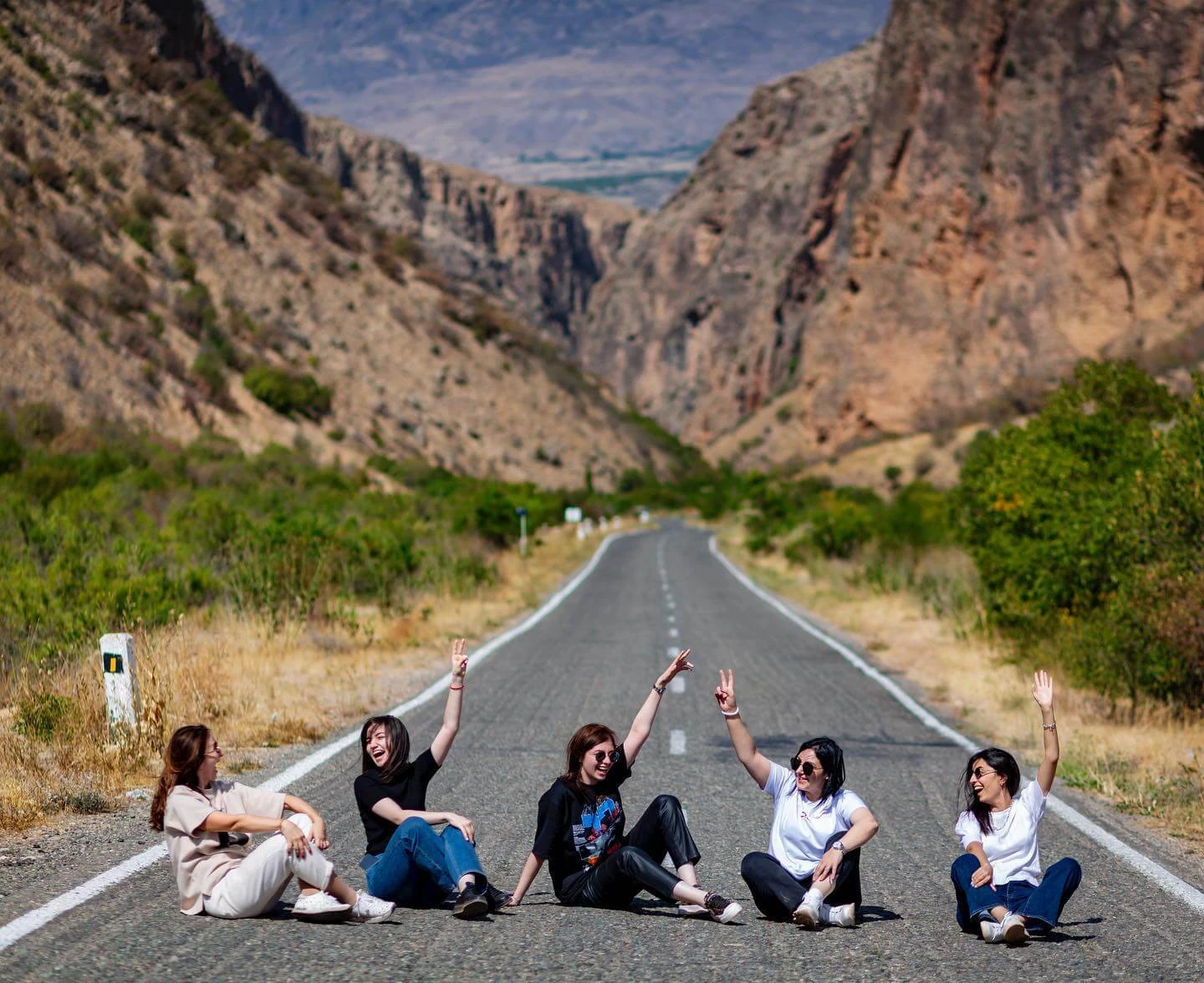
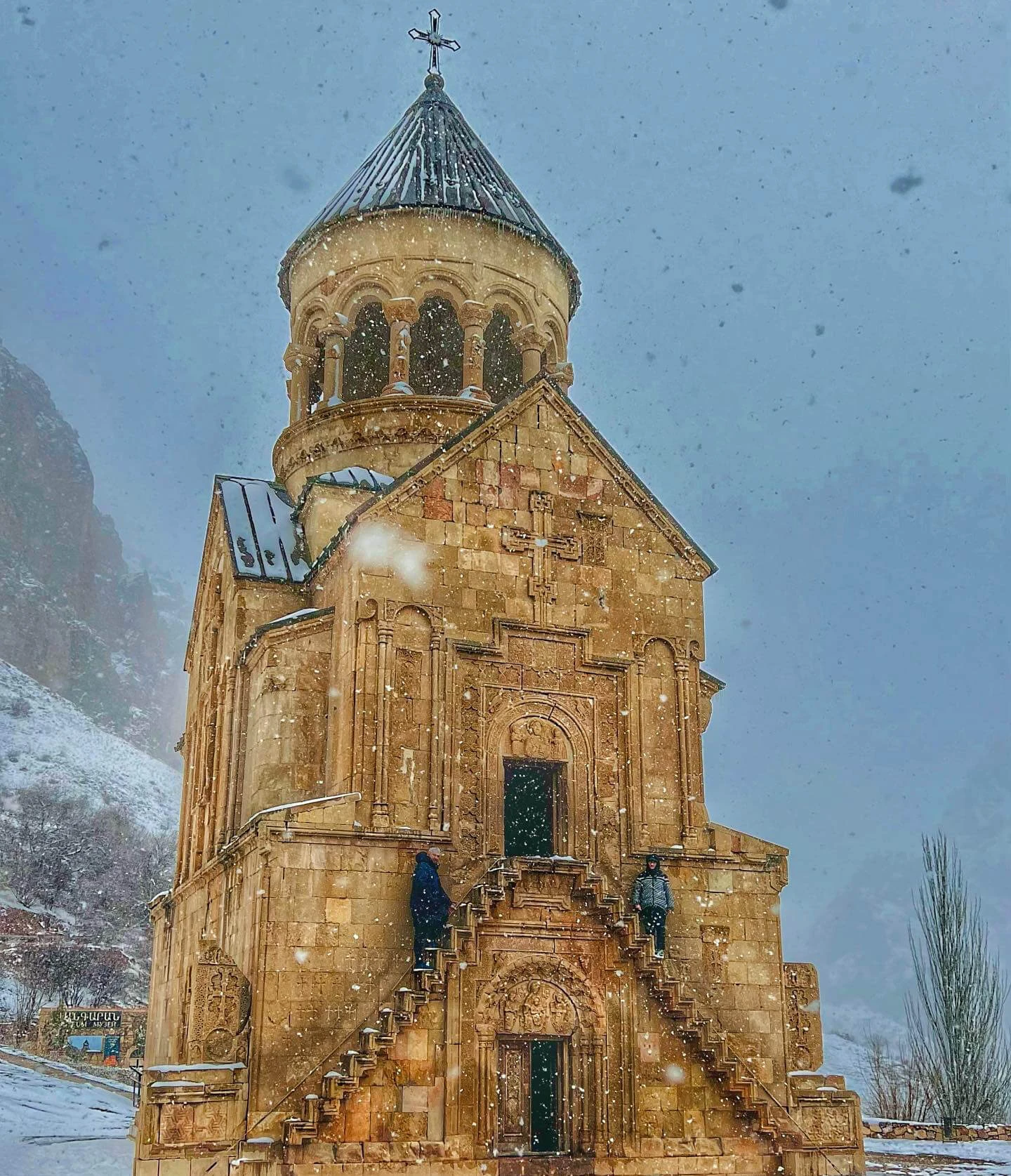
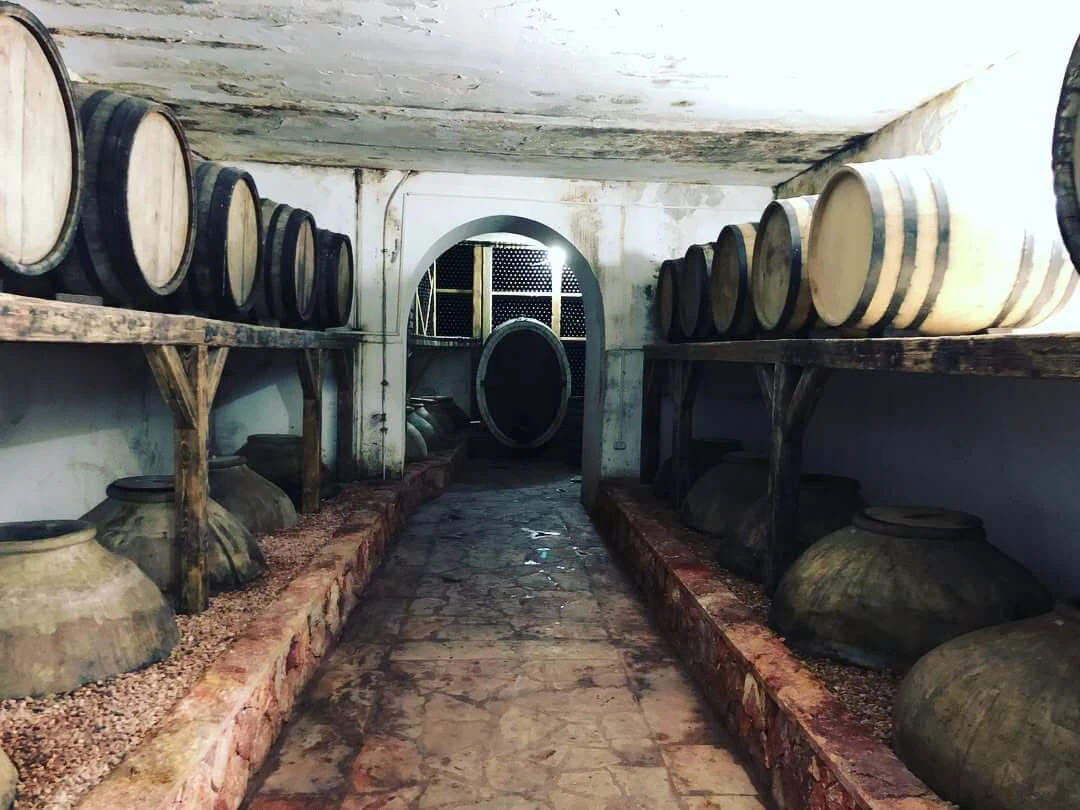
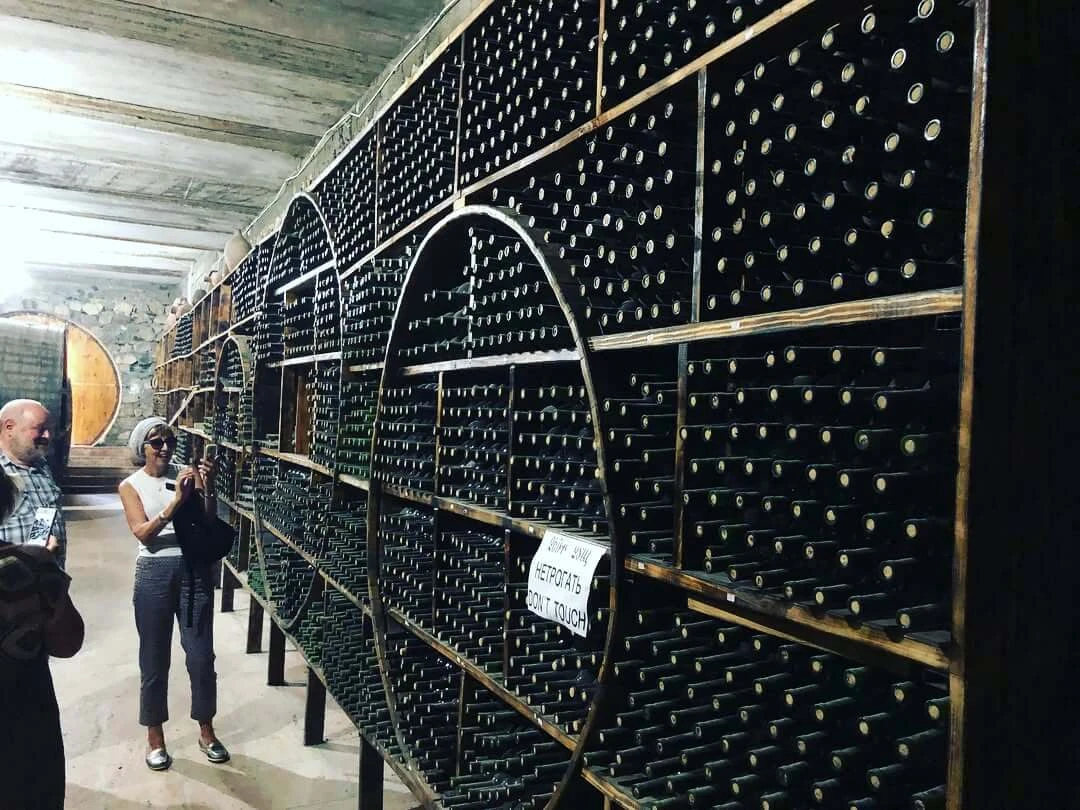
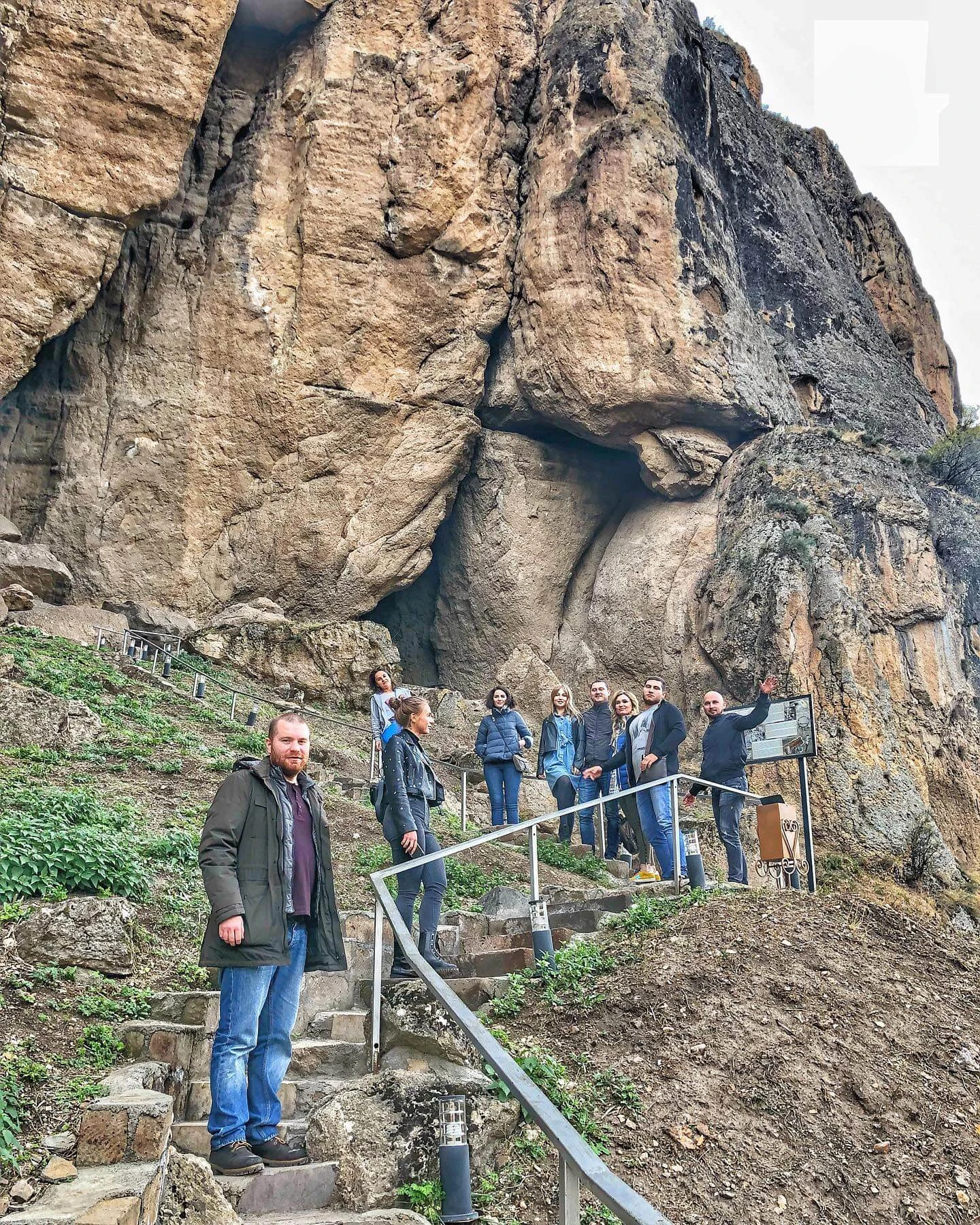
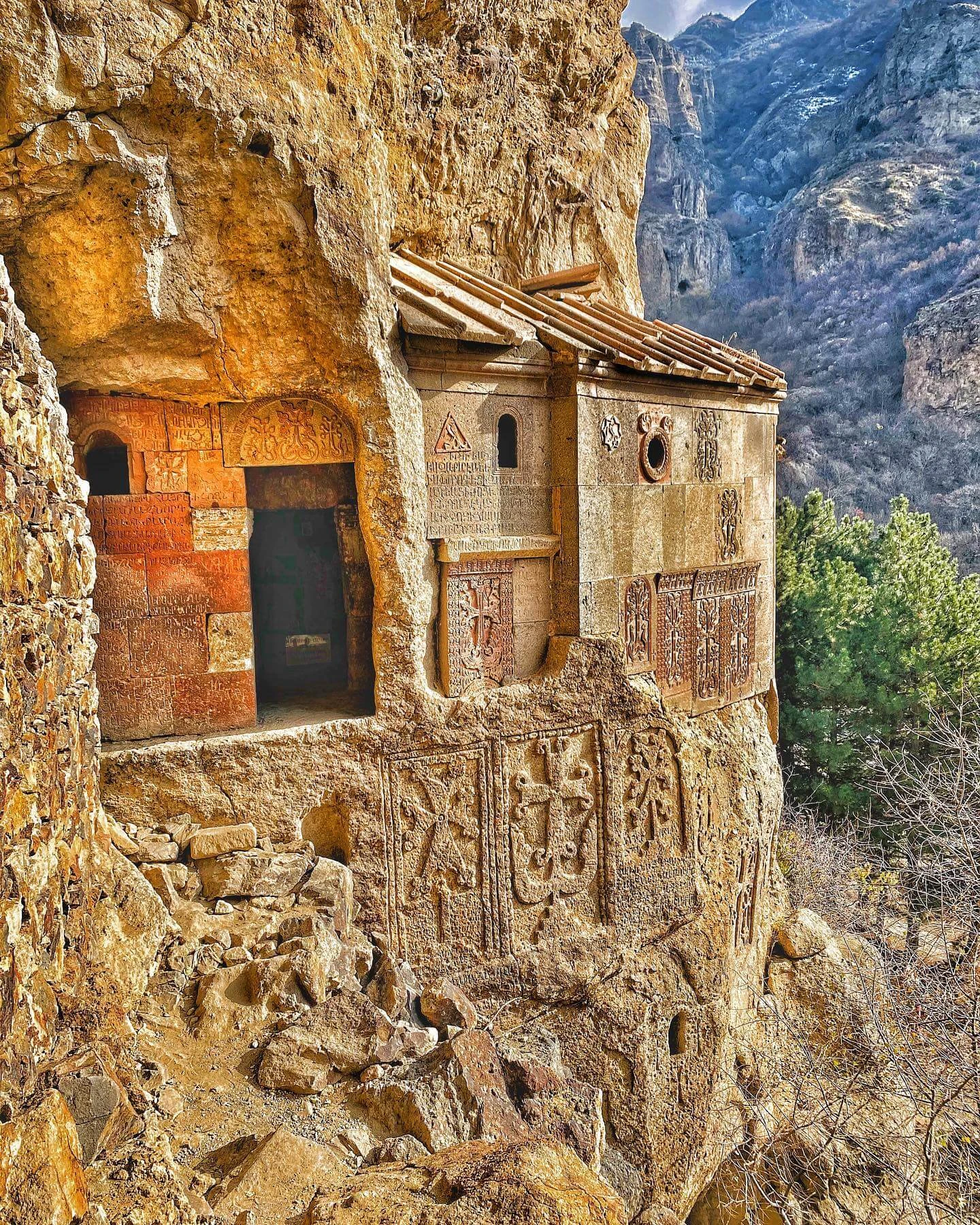
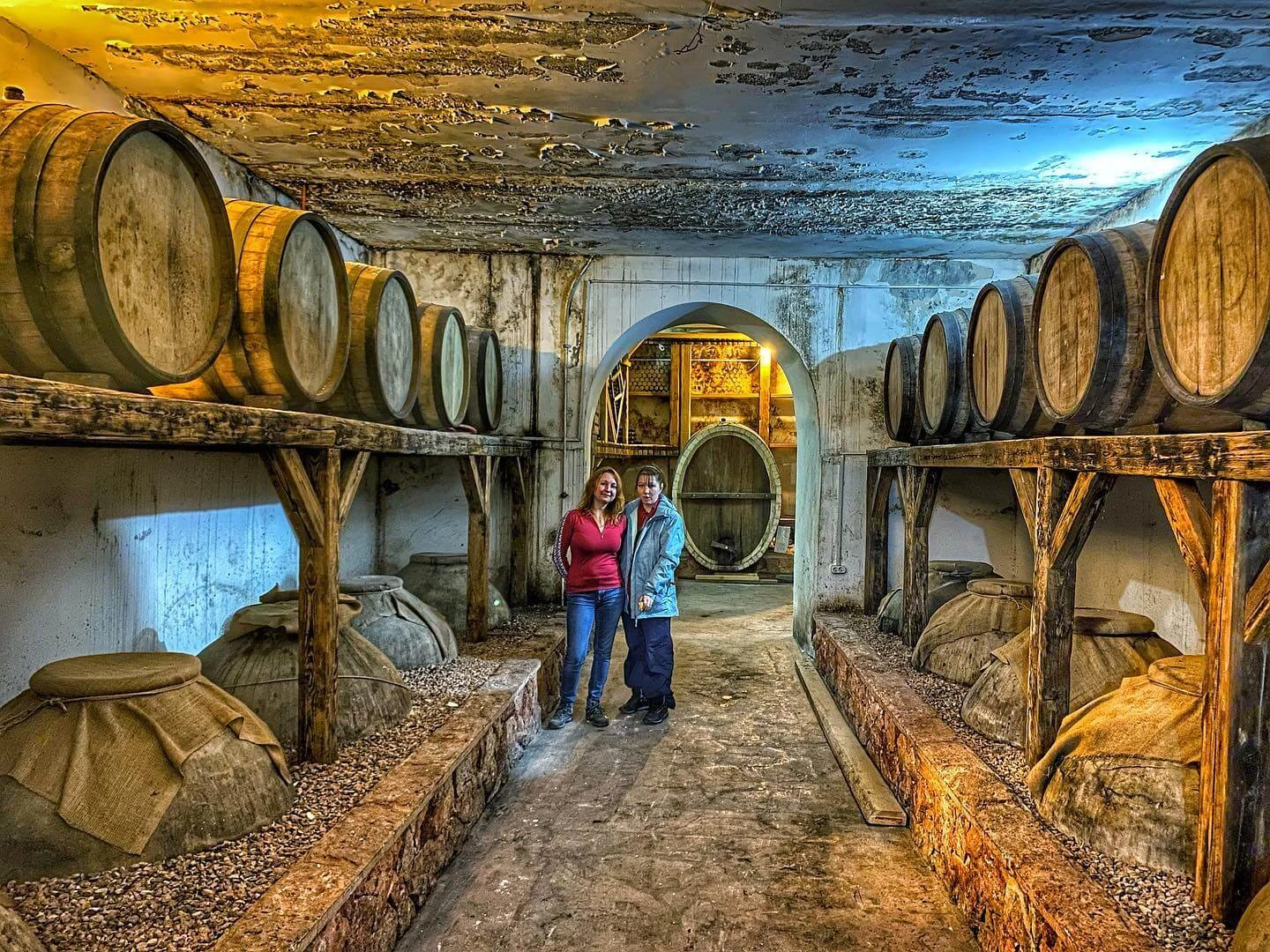
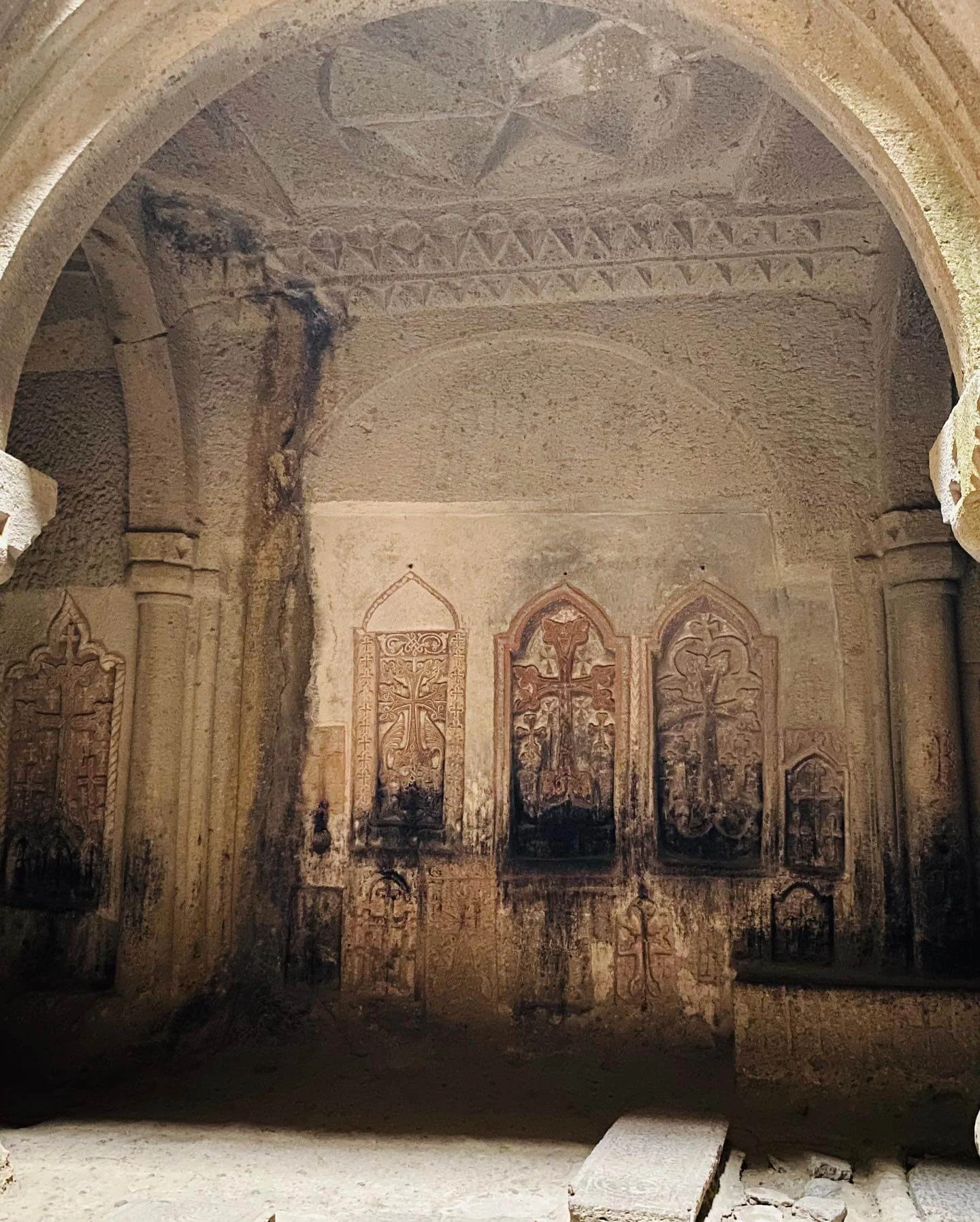
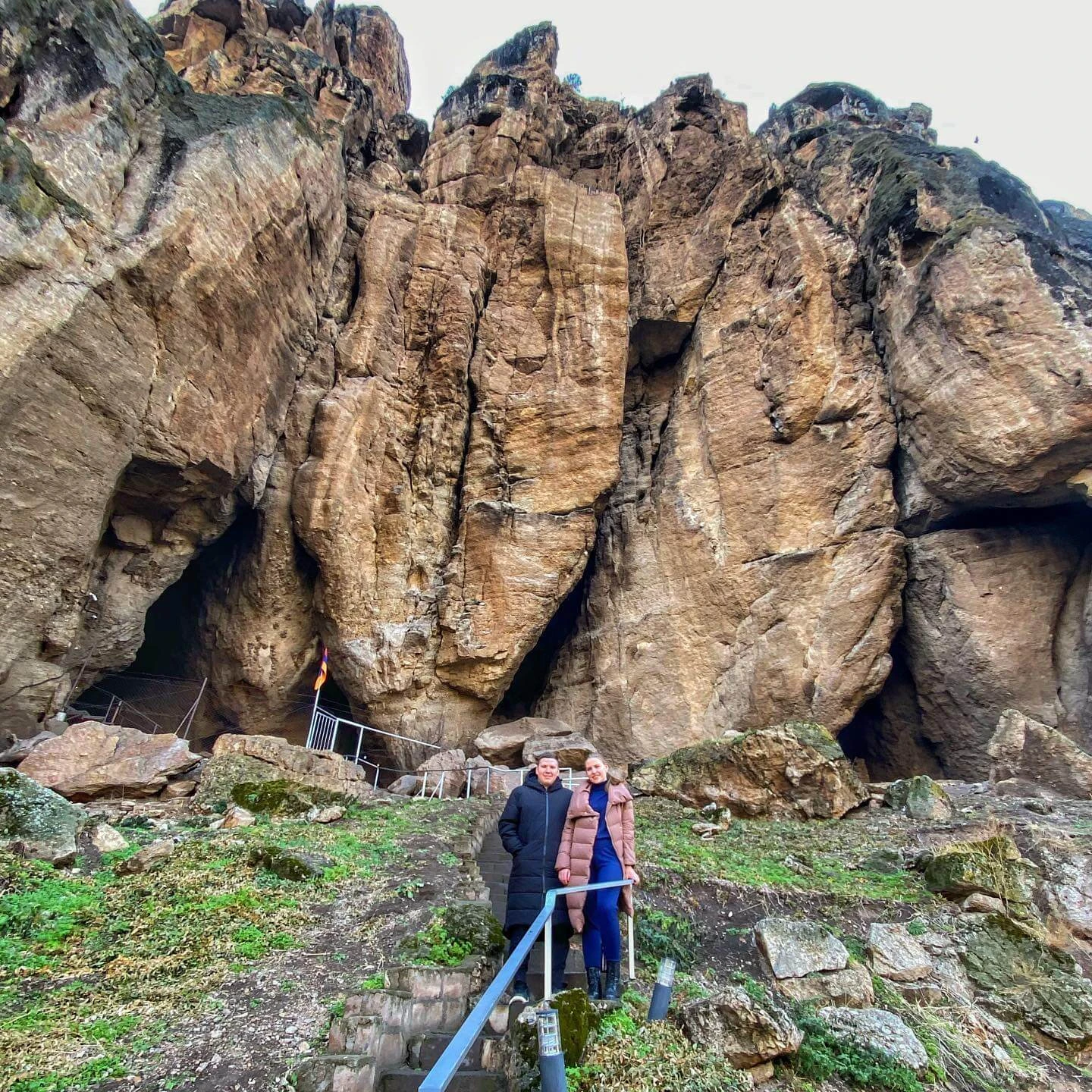
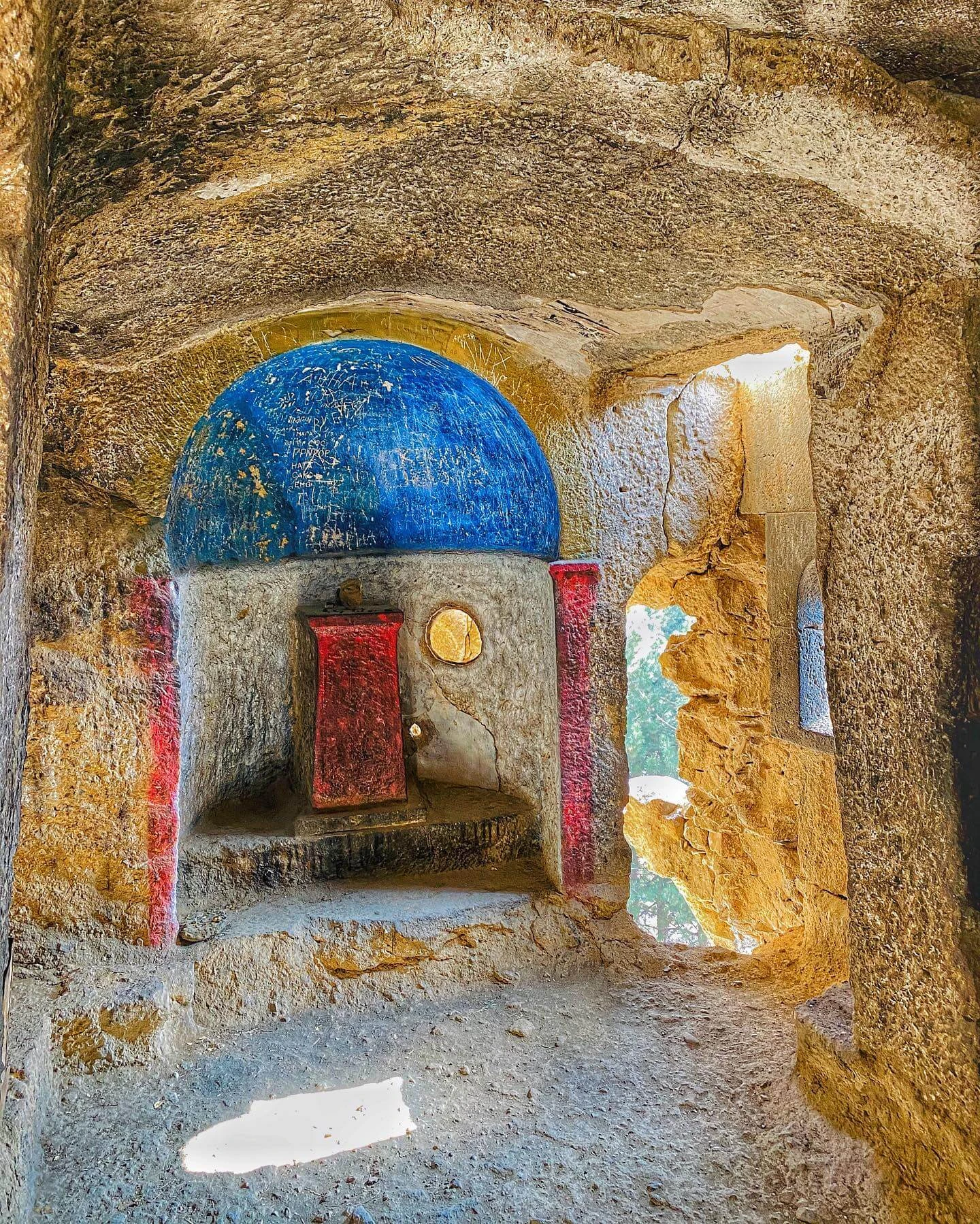
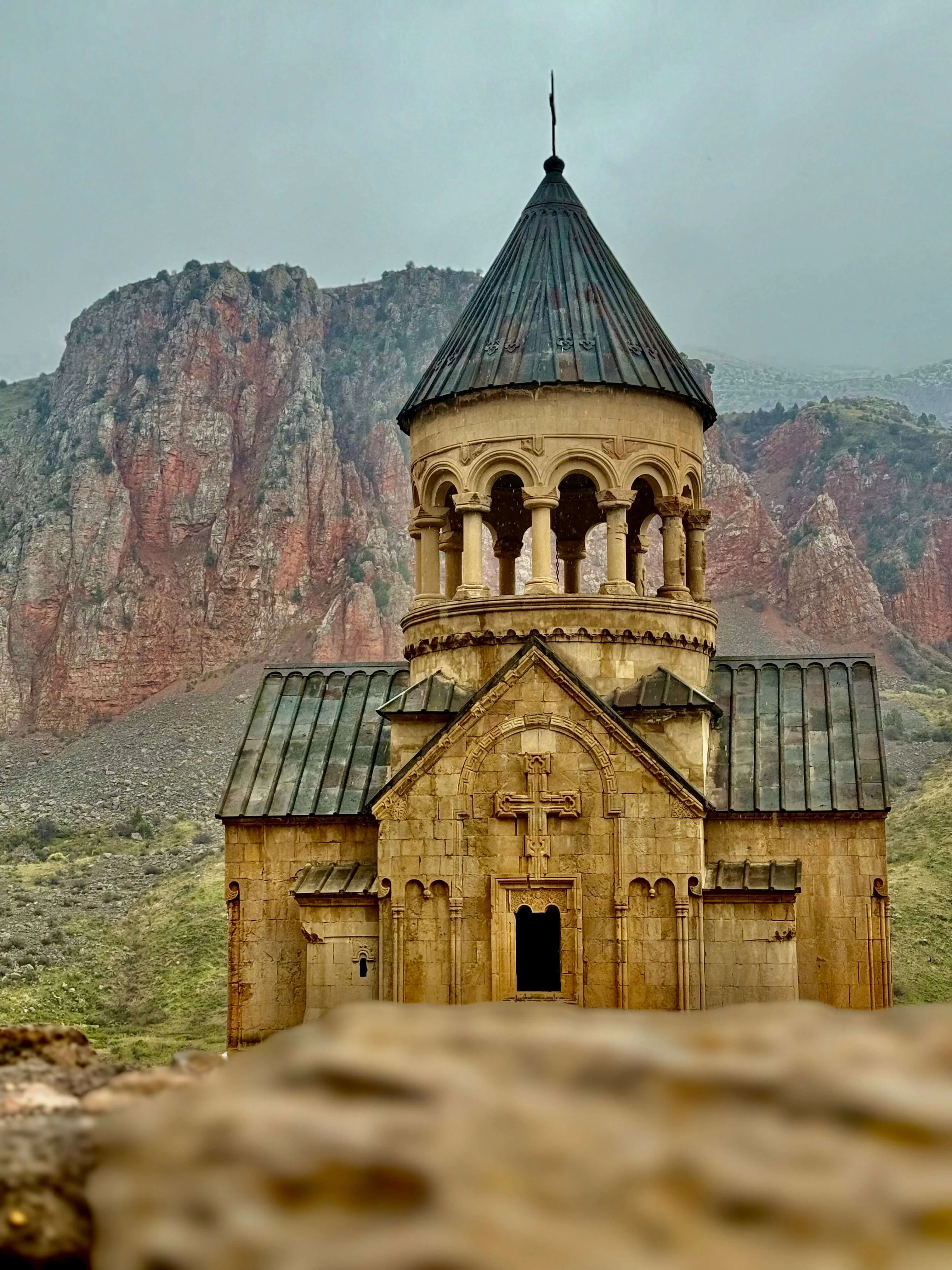
Your journey begins at Khor Virap Monastery, the closest accessible point to Biblical Mount Ararat from Armenian territory and one of the most iconic spots to admire its majestic panorama. Next, continue to the winemaking village of Areni, the cradle of Armenian viticulture. Visit a local winery to sample traditional wines and learn about the ancient winemaking heritage of the region. If you wish, you can make an optional stop at the “Birds Cave” (Areni-1), where archaeologists uncovered remarkable discoveries — the world’s oldest leather shoe (over 5,500 years old), a woman’s skirt from 3900 BC, and the oldest known winery. After Areni, travel through the breathtaking Noravank Gorge, a narrow red-rock canyon leading to the 13th-century Noravank Monastery. This architectural gem is especially notable for its two-story Church of the Holy Mother of God, a rare masterpiece of medieval Armenian design that seems to merge with the surrounding cliffs. At the end of the tour, you may choose to enjoy an optional traditional Armenian dinner (available at an additional cost) in a local village home, where you can savor tandoor-cooked barbecue and experience true Armenian hospitality.
Travel Plan
Start Point: Yerevan
Khor Virap Monastery
Khor Virap Monastery, whose name means “deep pit,” was founded in 642 AD. Long before the monastery was built, this site was known as the place of imprisonment of the man who would later become Saint Gregory the Illuminator. Today, rising proudly against the backdrop of the sacred Mount Ararat, it remains a revered holy site for Armenians as well as pilgrims and believers from across the globe.
Areni
Areni is a village renowned for its winemaking traditions. At the beginning of this century, it rose to fame thanks to archaeological excavations in the Areni caves, where invaluable ancient artifacts were unearthed. Today, Armenia boasts more than 400 indigenous grape varieties, yet the undisputed jewel of Armenian winemaking remains the historic local variety known as Areni.
Noravank
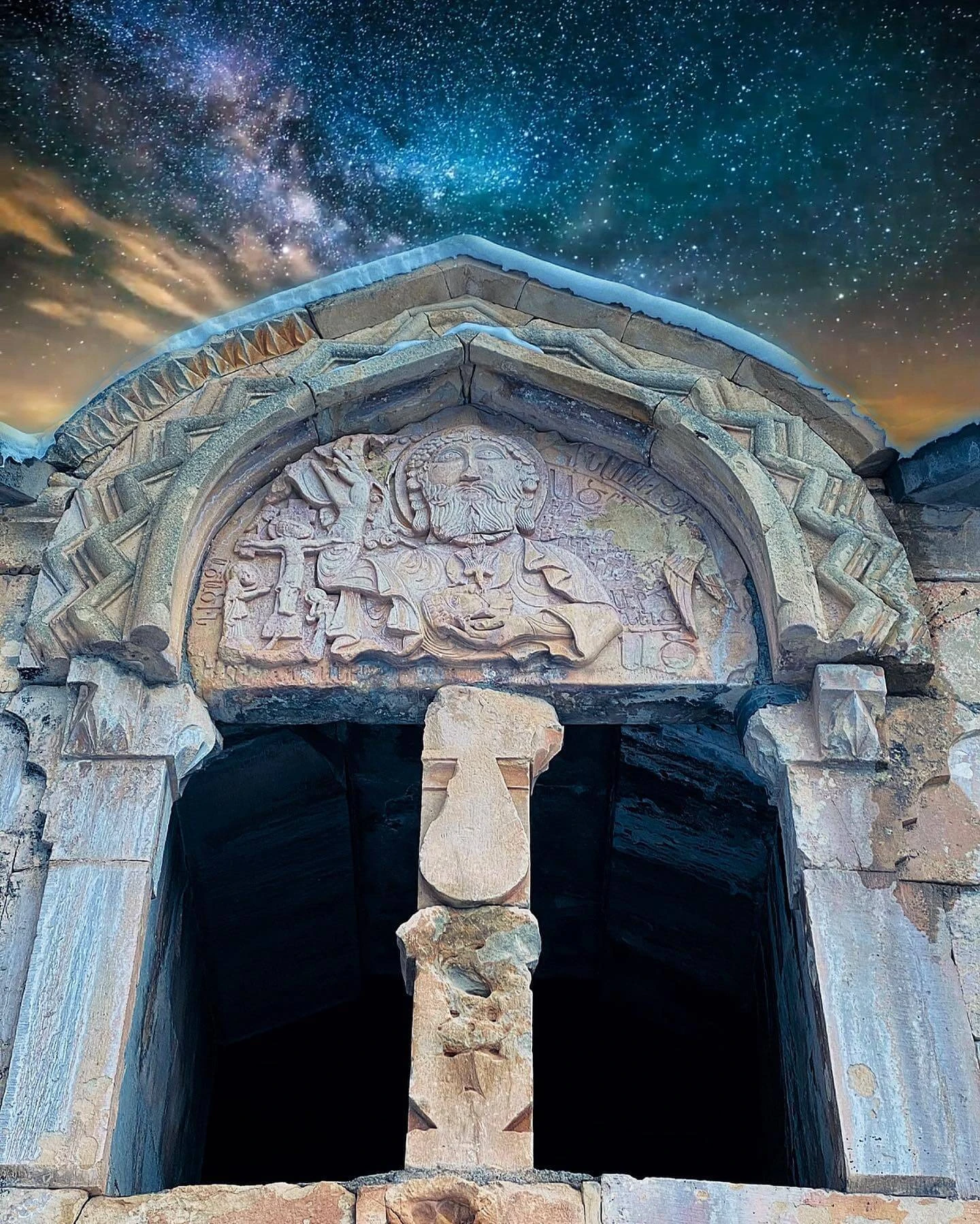
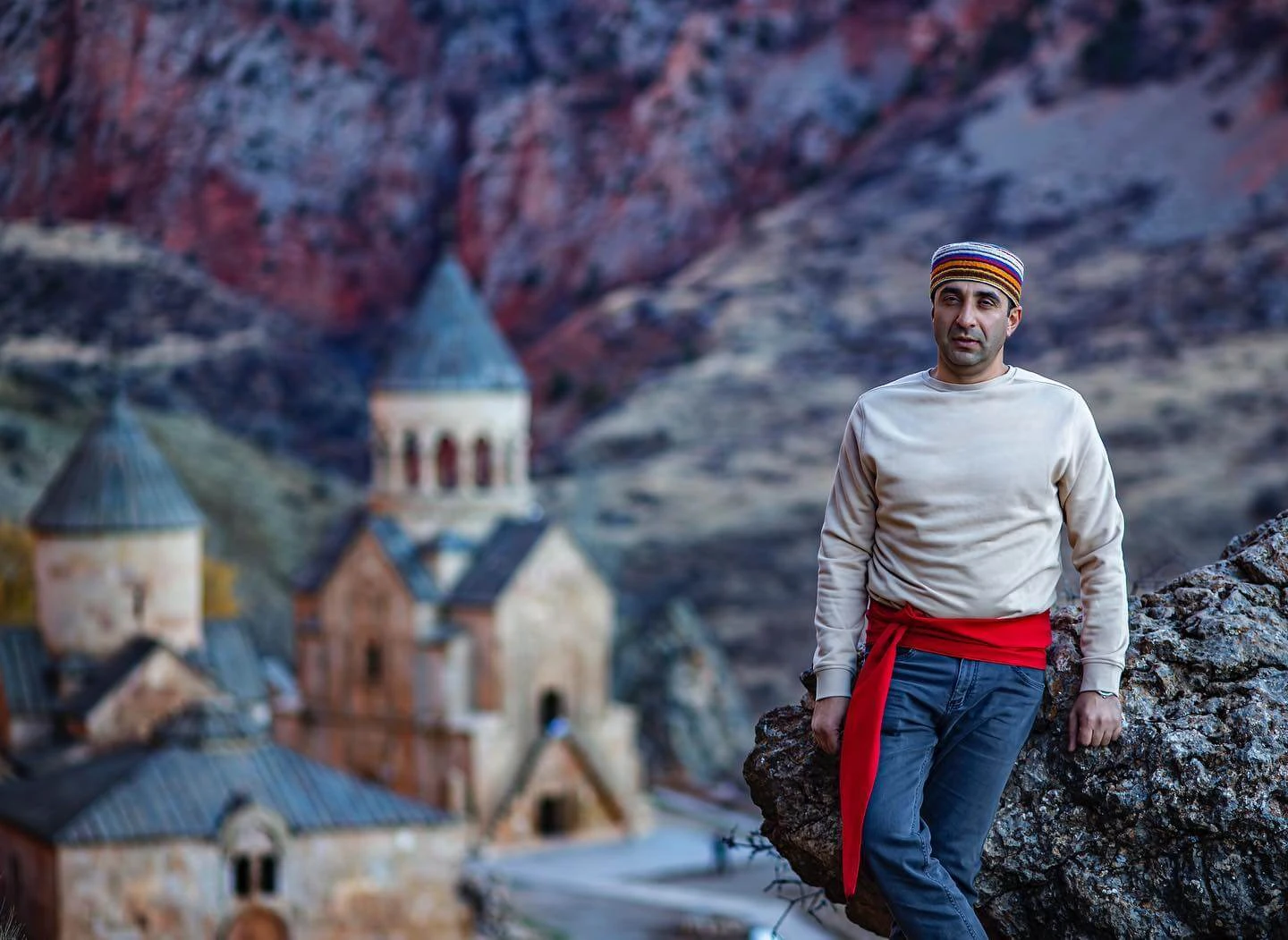
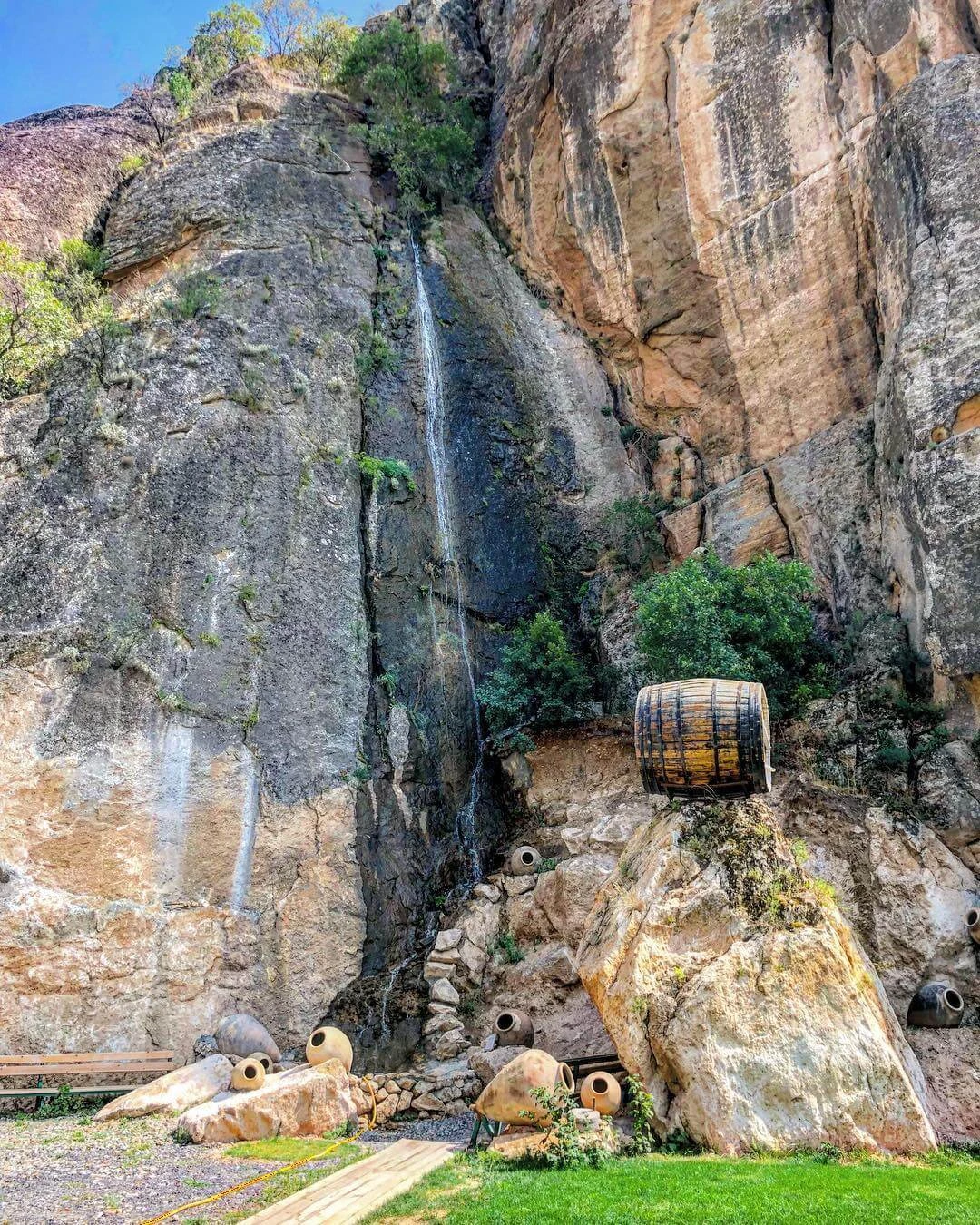
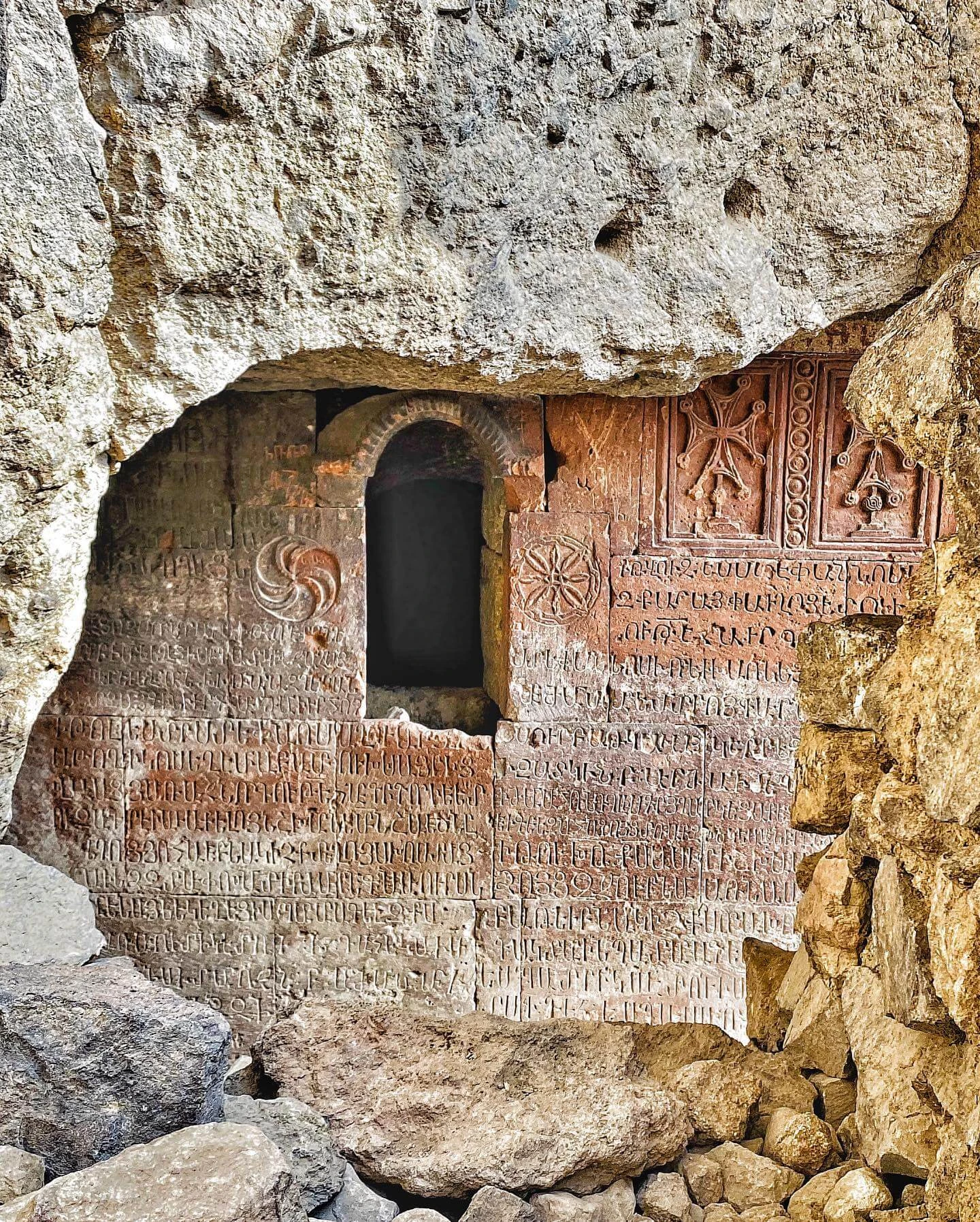
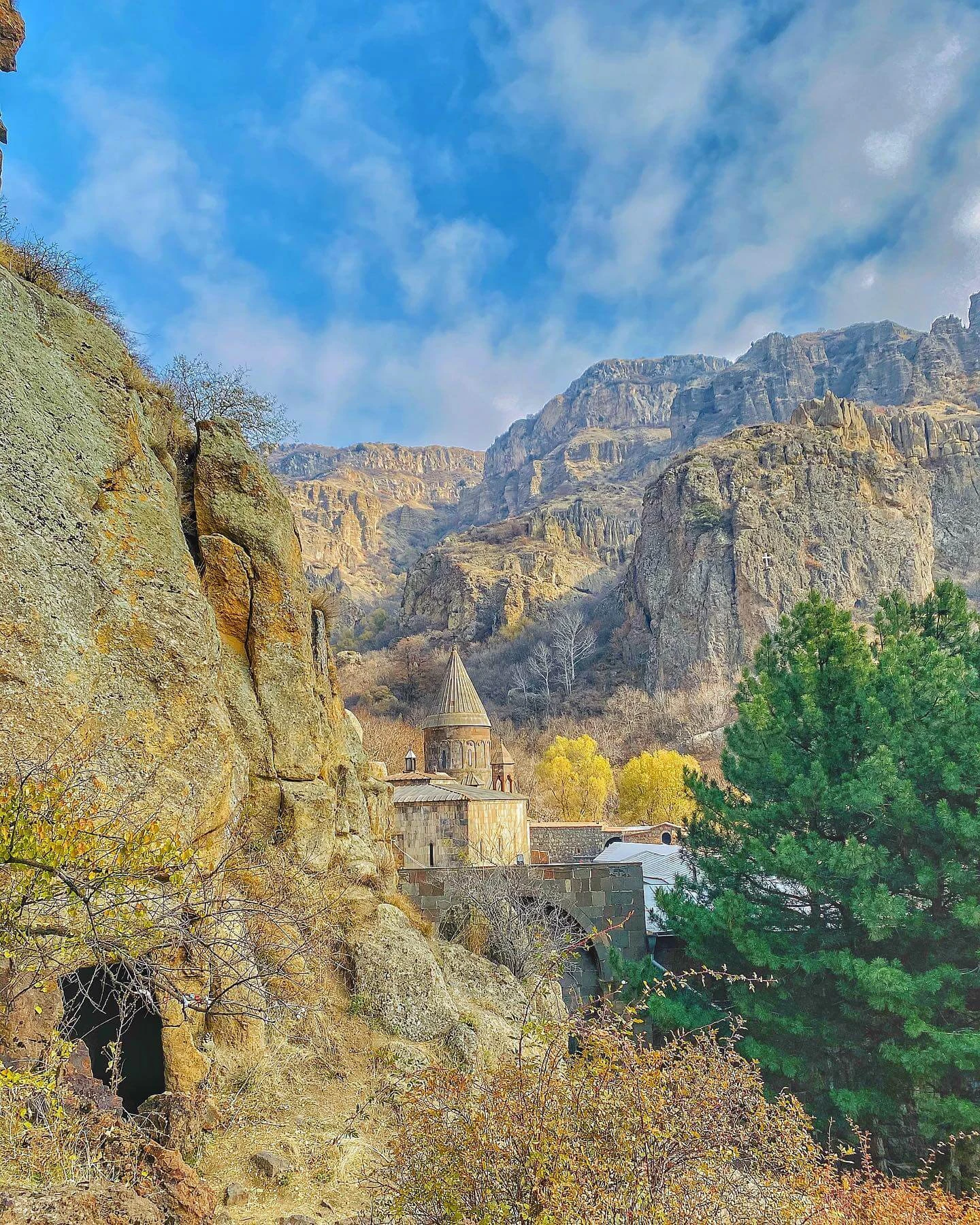
Noravank is a true gem of Armenian religious architecture—its name in Armenian literally means “new monastery.” Built in the 13th century, it is one of Armenia’s most renowned landmarks, distinguished by its distinctive architectural style. Framed by striking red cliffs, this monastery was not only a spiritual center but also an important hub of scholarship and learning in the Middle Ages.
End Point: Yerevan
What's Included
- Professional guide
- Professional driver
- Transportation
- Bottled water
What's Not Included
- Lunch and dinner
- Personal expenses
- Entrance fees
- Masterclass/Degustation
Frequently Asked Questions
- How long is the tour and where does it start? It is a full-day private tour from Yerevan visiting Khor Virap Monastery, the wine village of Areni, and Noravank Monastery in southern Armenia.
- What are the highlights? Khor Virap — the closest point to Mount Ararat from Armenia and the birthplace of Armenian Christianity — a wine tasting in ancient Areni, and 13th-century Noravank with its famous two-story church amid red cliffs.
- Can we visit the Areni-1 "Birds Cave"? Yes, as an optional stop. Areni-1 is where archaeologists found the world's oldest leather shoe (over 5,500 years old) and the oldest known winery; entrance is paid separately.
- Is dinner available? An optional traditional Armenian dinner in a local village home (with tandoor barbecue) is available at additional cost — let us know in advance if you'd like it.
- What is included in the price? A professional guide, a professional driver, transportation, and bottled water. Lunch, dinner, entrance fees, and any masterclass/degustation are not included.
- Is it a private tour? Yes, run exclusively for your group.
- When is the best view of Mount Ararat? Clear mornings usually give the best unobstructed views of Ararat from Khor Virap.